
Relocating to Miami: What Out-of-State Buyers Need to Know About Schenley Park
By Berenice Elguezabal | May 19, 2026
Relocating to Miami Guide
Schenley Park & Coral Terrace | Neighborhoods | Pricing | Insurance | Buyer Strategy | Out-of-State Checklist
If you’re relocating to Miami and trying to figure out where to plant roots, you’ve probably already heard the standard shortlist: Coral Gables, South Miami, Coconut Grove. They’re all great neighborhoods. They’re also priced accordingly.
Schenley Park and Coral Terrace — both within Miami’s 33155 ZIP code — offer something those neighborhoods often can’t: the feel of an established, walkable, character-filled residential area without the premium price tag. If you’re relocating to Miami from out of state or from another part of Miami-Dade, here’s what you actually need to know before you start making offers.
This guide covers everything you need to make an informed decision about relocating to Miami and settling in Schenley Park or Coral Terrace.

Relocating to Miami: Where Exactly Are Schenley Park and Coral Terrace?
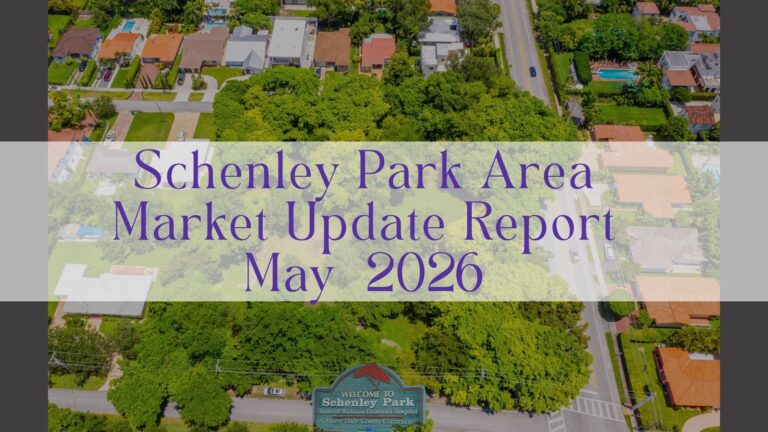
Schenley Park and Coral Terrace are adjacent neighborhoods in the southwest section of Miami, bounded roughly by SW 22nd Street to the north, SW 32nd Avenue to the east, SW 40th Street to the south, and SW 57th Avenue to the west.
They sit just west of Coral Gables — which means if you’re relocating to Miami, you get the proximity to Miracle Mile, Merrick Park, and the Gables dining scene without the Coral Gables address premium. For buyers relocating to Miami, this location is a major advantage.
South Miami is minutes away, Coconut Grove is a short drive east, Brickell and downtown Miami are 15–20 minutes without traffic, and the Palmetto Expressway connects you to the rest of the metro. For out-of-state buyers relocating to Miami and weighing neighborhoods, this accessibility matters significantly.
For buyers relocating to Miami from major metros — New York, Chicago, the Northeast — the location logic is similar to living in a close-in suburb that happens to be inside city limits. Established, quiet streets. Mature trees. Houses that actually have yards.
What the Housing Stock Looks Like: Know Before Relocating to Miami
Understanding what you’re buying is critical when relocating to Miami. This is mostly a single-family neighborhood. You’re not looking at condo towers or new construction subdivisions — you’re looking at homes built primarily in the 1950s through 1980s, many of them on generous lots by Miami standards.
What that means in practice when you’re relocating to Miami:
- Mid-century architecture — concrete block construction, low-pitched roofs, horizontal lines. Homes that have aged well often have character; homes that haven’t been maintained need attention.
- Lot sizes — typically larger than comparable properties closer to Coral Gables or Coconut Grove. Many lots have room for pools. Some have separate structures or guest quarters. This is a major draw for buyers relocating to Miami from cramped urban environments.
- Remodeled vs. original — the split is significant when you’re house hunting while relocating to Miami. A fully remodeled home in 33155 with updated plumbing, electrical, roof, and impact windows will command a meaningfully different price — and inspection experience — than an original home that hasn’t been touched.
Current pricing in the 33155 ZIP code averages around $616,000, with a range that extends from the mid-$500s for smaller or less updated properties to well over $1M for larger, fully renovated homes on premium lots. This range makes the neighborhood accessible for many buyers relocating to Miami.
The 2026 Buyer’s Market: Great Timing for Relocating to Miami
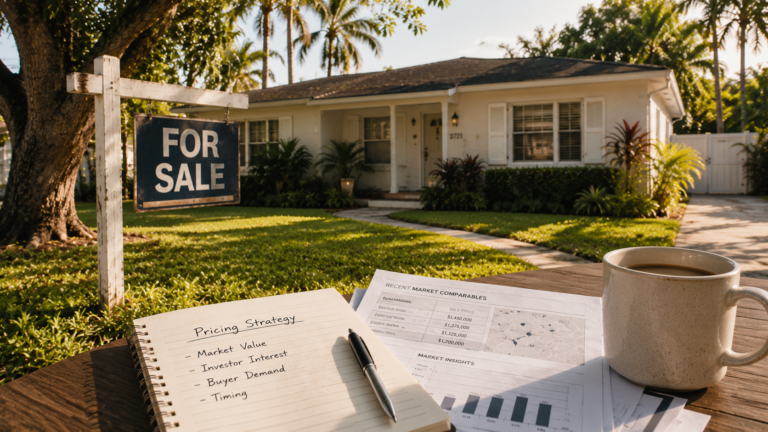
If you’re relocating to Miami and buying right now, you’re entering a buyer’s market — and that matters significantly for your negotiating position.
There are currently 35+ active listings in the Schenley Park area. Months of supply have improved from 17 to 9 over the past several months — the market is stabilizing — but buyers still have real negotiating power. This is favorable timing for anyone relocating to Miami right now.
Here’s what the market looks like for buyers relocating to Miami in 2026:
- Homes that are overpriced are sitting for 140+ days
- Homes that are priced correctly and show well are selling in about 26 days
- Inspection-contingent offers have leverage
- Appraisal gaps can be negotiated
As a relocation buyer relocating to Miami, this market is favorable to you — but only if you’re working with someone who knows the specific comps and can help you identify value versus overpriced inventory. Don’t assume that because a home has been on the market for 90 days, it’s a deal when you’re relocating to Miami. In many cases it means the seller hasn’t adjusted to reality yet.
Critical: Insurance and Real Estate in Florida When Relocating to Miami
This is the conversation I have with every out-of-state buyer relocating to Miami, and it’s non-negotiable: Florida’s insurance market is unlike anything most relocating buyers have experienced.
If you’re relocating to Miami, you must understand these insurance realities before you make an offer:
Windstorm Insurance
Windstorm insurance is a separate policy in most of Miami-Dade, and it’s required by lenders for homes in certain areas. If you’re relocating to Miami and financing your purchase, get insurance quotes before you make an offer — not after. This is non-negotiable when relocating to Miami.
Impact Windows and Doors Matter
Impact windows and doors dramatically affect your insurance premium. A home with full impact protection will cost meaningfully less to insure than one with standard windows. This is one reason remodeled homes in 33155 carry a premium — it’s not just aesthetics. When relocating to Miami, factor this into your valuation of properties.
Flood Zone Designation
Miami-Dade properties vary significantly by elevation and flood zone. Request the FEMA flood zone designation and elevation certificate on any home you’re seriously considering when relocating to Miami. This directly affects insurance cost.
Budget Realistic Insurance Costs
This is critical when relocating to Miami: budget for insurance in your monthly costs. Depending on the home, you may be paying $4,000–$10,000+ per year in combined homeowner’s and windstorm coverage. This affects your purchasing power and your monthly payment. Don’t overextend on mortgage because you haven’t factored in true Florida insurance costs.
If you’re pre-approved for a mortgage based on out-of-state insurance assumptions, revisit those numbers with a Florida-based insurance agent before you’re under contract when relocating to Miami.
The Florida Buying Process: What to Expect When Relocating to Miami
Florida is a title-company state — closings are handled by a title company, not an attorney. The standard contract used here is the AS-IS Residential Contract, which gives buyers a negotiated inspection period (typically 7–15 days) to walk away for any reason with their deposit returned. Understanding this is crucial when relocating to Miami.
A few things that frequently surprise buyers relocating to Miami from other states:
Cash Moves Faster Here
In any price range, cash offers are common and can close in 14–21 days. If you’re financing while relocating to Miami, be pre-approved and ready to close in 30–45 days. Delayed financing can cost you in a competitive offer situation.
HOA or No HOA
Many single-family homes in 33155 are non-HOA, which is a selling point for buyers relocating to Miami who prefer fewer restrictions. Always verify HOA status early on any home you’re seriously considering when relocating to Miami.
Permit History Matters
Miami-Dade’s building permit records are public. Your agent should pull the permit history on any home you’re seriously considering, especially for homes with additions, garage conversions, or other modifications. This is especially important when relocating to Miami and unfamiliar with local code requirements.
For a detailed walkthrough of what happens after your offer is accepted when relocating to Miami, read this step-by-step guide to the Florida buying process.
Schenley Park vs. Coral Gables: The Honest Comparison for Buyers Relocating to Miami
Buyers who find their way to 33155 are often cross-shopping with Coral Gables — especially those relocating to Miami and weighing neighborhoods. Here’s the practical distinction:
Coral Gables has a city government overlay with its own permitting, design review, and tree ordinances that add complexity (and sometimes cost) to renovation projects. Homes in Coral Gables regularly trade above $1.5M for similar square footage.
The Schenley Park and Coral Terrace area gives you adjacency to that lifestyle — same access to Miracle Mile, Merrick Park, and the Gables restaurant scene — at a more accessible entry price point. If you’re relocating to Miami and weighing neighborhoods by value, this is significant.
What you’re giving up: The Coral Gables address itself, which carries cachet some buyers value.
What you’re gaining: Value, lot size, and purchasing power — all important factors when relocating to Miami and evaluating long-term fit.
Relocating to Miami: Key Takeaways for Out-of-State Buyers
If you’re relocating to Miami and considering Schenley Park or Coral Terrace, here’s the buyer’s checklist:
- ✅ Get Florida insurance quotes BEFORE making an offer when relocating to Miami
- ✅ Understand the AS-IS contract and inspection period when relocating to Miami
- ✅ Pull permit history on any home you’re seriously considering when relocating to Miami
- ✅ Verify flood zone and elevation certificate when relocating to Miami
- ✅ Know your financing timeline — lenders move faster with local properties when relocating to Miami
- ✅ Have a local real estate guide who knows comps when relocating to Miami neighborhoods
- ✅ Budget realistic insurance costs in your monthly payment when relocating to Miami
Frequently Asked Questions About Relocating to Miami and Schenley Park
What Is the Average Home Price in Schenley Park and Coral Terrace When Relocating to Miami?
The current average home value in the 33155 ZIP code is approximately $616,000, up about 8.6% over the past year. Prices range from the mid-$500s for smaller or less-updated properties to well over $1M for larger, fully renovated homes on bigger lots. This range makes Schenley Park accessible for many out-of-state buyers relocating to Miami.
Is Schenley Park Miami a Good Area to Buy When Relocating in 2026?
The 33155 market is currently a buyer’s market with real negotiating leverage — months of supply have dropped but remain elevated, and correctly priced homes are selling in about 26 days while overpriced homes sit for 140+ days. For buyers relocating to Miami and looking for value in a well-located, established neighborhood, the timing is favorable.
Are There HOAs in Schenley Park and Coral Terrace for Buyers Relocating to Miami?
Most single-family homes in Schenley Park and Coral Terrace are not part of a mandatory HOA, which is one of the appeals for buyers who prefer fewer restrictions. Always verify HOA status on any specific property when relocating to Miami — some subdivisions within the broader area do have associations.
How Far Is Schenley Park From Downtown Miami for Commuting When Relocating?
Schenley Park and Coral Terrace are approximately 10–15 miles from downtown Miami and Brickell — typically 20–30 minutes by car without significant traffic. The Palmetto Expressway provides direct access to the broader metro. There is no Metrorail connection directly serving the neighborhood, so most residents are car-dependent for commuting when relocating to Miami.
What Should Out-of-State Buyers Know About Florida Home Insurance Before Buying?
This is crucial for anyone relocating to Miami: Florida’s insurance market — particularly windstorm coverage — is unlike most states. Buyers relocating to Miami should obtain insurance quotes before going under contract, not after. Impact-rated windows and doors, roof age and condition, and flood zone designation all significantly affect premium costs. Budget $4,000–$10,000+ per year in combined coverage for a single-family home in Miami-Dade when relocating to Miami.
Do I Need an Attorney to Buy a Home in Florida When Relocating?
Florida does not require a real estate attorney to close a residential transaction — the title company handles the process. However, you have every right to hire a real estate attorney to review your contract and closing documents when relocating to Miami. In complex situations or if you’re unfamiliar with Florida law, it’s often worth the investment.
Bottom Line: Relocating to Miami Is a Big Decision
Relocating to Miami is a big decision with a lot of moving parts — and buying in a market you don’t know yet adds another layer. The buyers I see navigate this smoothly are the ones who do their research early and have a local guide who can help them separate the well-priced inventory from the wishful thinking.
If you’re planning a move to the Schenley Park or Coral Terrace area, I’d love to connect before you start scheduling tours. I work with relocating buyers regularly and know how to help you make a confident decision about relocating to Miami neighborhoods.
Planning to Relocate to Miami? Let’s Talk First.
Before you start house hunting while relocating to Miami, understand the market, know what to look for, and have a strategy. I specialize in helping out-of-state buyers navigate neighborhoods and find real value in Schenley Park and Coral Terrace.
Call Berenice at 305-301-3290
Text or DM: 305-301-3290 • Bere@BereHomes.com
Berenice Elguezabal PA
Real Estate Advisor | Coldwell Banker Realty
22 Years of Experience | Schenley Park Specialist
Specializing in Out-of-State & Relocation Buyers
4000 Ponce de Leon Blvd, Suite 700, Coral Gables, FL 33146
305-301-3290 • Bere@BereHomes.com • www.BereHomes.com
Disclaimer: This relocation guide reflects market conditions and neighborhood characteristics in Schenley Park, Coral Terrace, and Miami-Dade County as of May 2026. Insurance requirements, pricing, and market conditions vary and change over time. Flood zone designations, insurance rates, and permit requirements should be verified with appropriate Florida authorities and professionals before making a purchase decision. This information is educational and not legal or financial advice — consult with a real estate attorney, insurance agent, and financial advisor regarding your specific relocation and purchase situation.