Florida Homestead Exemption 2026: What Schenley Park Homeowners Need to Know
By Berenice Elguezabal | June 3, 2026
Florida Homestead Exemption 2026
Constitutional Amendment HJR 1-F | November 2026 Election | Schenley Park, Coral Terrace, Miami-Dade Impact
Something significant just happened in Tallahassee — and if you own a home in Schenley Park, Coral Terrace, or anywhere in Miami-Dade, understanding the Florida homestead exemption 2026 proposal is worth your time before you vote this November.
The Florida Legislature passed a proposed constitutional amendment called “Save Our Homes from Excessive Property Taxes” (House Joint Resolution 1-F) during a special session last week. The vote wasn’t close: 75 to 26 in the House, 30 to 9 in the Senate. The Florida homestead exemption 2026 amendment goes to Florida voters in November, and it needs 60% approval to become law.
I’ve been watching the coverage closely, and I want to be direct with you: some of it has been incomplete, and at least one widely reported detail was backwards. So here’s what the homestead exemption Florida 2026 bill actually says — and what it means for homeowners and buyers in our market.
What the Florida Homestead Exemption 2026 Amendment Actually Does
The core change of this Florida homestead exemption 2026 proposal is straightforward. Your homestead exemption — the amount subtracted from your home’s assessed value before taxes are calculated — gets a significant upgrade:
- January 1, 2027: Exemption rises from $50,000 to $150,000
- January 1, 2028: Exemption rises to $250,000
- Every year after 2028: The exemption adjusts automatically with the Consumer Price Index (CPI)
For a homeowner in Schenley Park or Coral Terrace with an assessed value of, say, $700,000, the taxable value for non-school purposes would drop dramatically. That translates into real dollars off your annual tax bill.
But here’s the detail most coverage of the homestead exemption 2026 missed: this exemption applies to non-school levies only. School board ad valorem taxes are explicitly carved out and fully protected by the amendment. Education funding does not get cut. That was a deliberate policy decision by the bill’s sponsors, and it matters — because one of the loudest concerns from critics was school funding impact.
Who Qualifies for the Florida Homestead Exemption 2026
The Five-Year Rule Explained
To receive the full $250,000 “super homestead exemption” under this Florida homestead exemption 2026 proposal, you need to be a Florida resident on or before December 31, 2026. If you’re already here and homesteaded, you’re in.
If you move to Florida after that date, the situation is more nuanced than many reports suggested. You’re not locked out entirely from the homestead exemption 2026 benefits. New Florida residents receive the existing $50,000 homestead exemption for their first four years — the same exemption that’s been in place for decades. After those four years, you graduate to the full $250,000 exemption automatically.
This matters for anyone thinking about relocating to Miami-Dade. The benefit of the Florida homestead exemption 2026 amendment is designed to reward existing Florida residents first, but it doesn’t permanently exclude newcomers.
How the Florida Homestead Exemption 2026 Affects Investment Property
This is the detail that was widely misreported in coverage of the Florida homestead exemption 2026, and if you own a rental property or a small business, it affects you directly.
Several news outlets reported that the annual assessment increase cap on non-residential property would go up under the homestead exemption Florida 2026 amendment from 5% to 10%. That is the opposite of what the bill actually says.
Under HJR 1-F (the Florida homestead exemption 2026 proposal), the cap on annual assessment increases for non-residential property — commercial buildings, rental properties, investment real estate — goes down from 10% to 5%, starting January 1, 2027. Business owners and investors get additional protection under this homestead exemption 2026 proposal, not an additional burden.
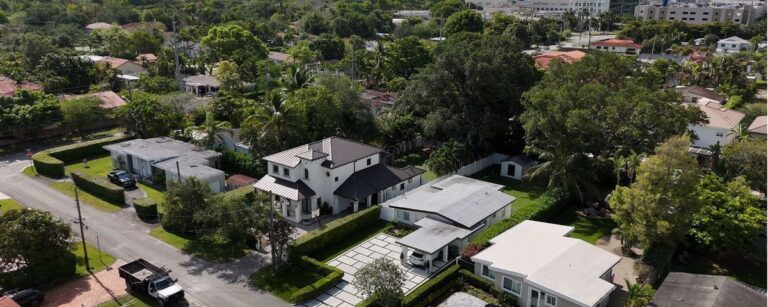
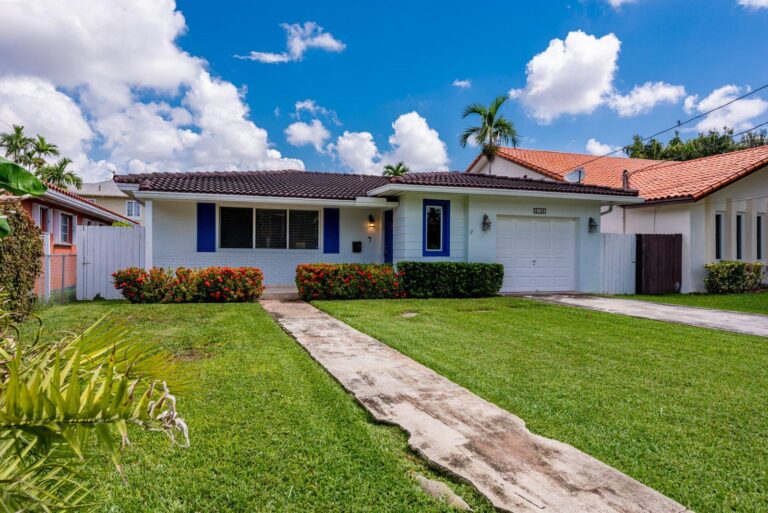
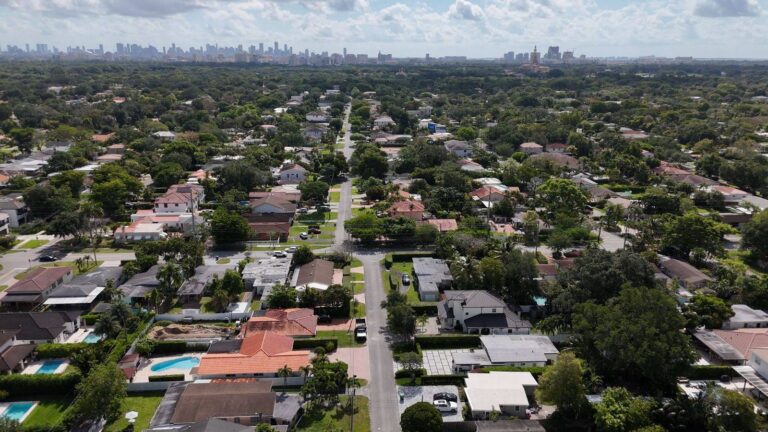
What This Means for Schenley Park and Miami-Dade Homeowners
Here’s where I want to be honest with you, because the real estate implications of the Florida homestead exemption 2026 amendment are more layered than the headline suggests.
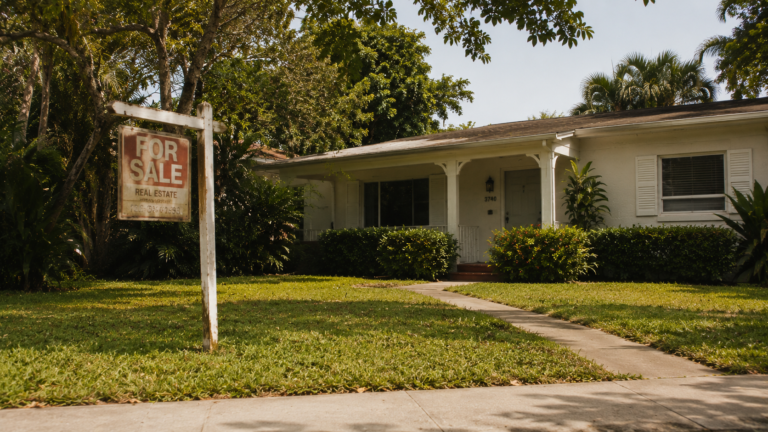
If You’re Selling Your Schenley Park Home
Lower carrying costs for buyers could increase demand and support pricing — especially for primary residence buyers who will benefit from the homestead exemption 2026 proposal. That’s generally good news for sellers in our market. If you’re considering selling in Schenley Park before the homestead exemption Florida 2026 takes effect, it’s worth discussing the timing implications. Learn more about selling your Schenley Park home with the right strategy.
If You’re Buying a Home in Miami-Dade
Lower annual tax bills increase your effective purchasing power under the Florida homestead exemption 2026 proposal. But be aware that the market often prices those savings in over time. You may find that sellers and their agents factor reduced tax exposure into pricing conversations around the homestead exemption 2026. Your buying power improves under this amendment, but so does competition from other buyers doing the same math.
If You Own Investment or Rental Property in Schenley Park
The lower non-residential assessment cap (5% going forward under homestead exemption Florida 2026) provides more predictability on your tax exposure year over year. That’s a real benefit for long-term hold strategies in the 33155 ZIP code.
The Concern Worth Taking Seriously
Miami-Dade Mayor Daniella Levine Cava has warned publicly that reducing property tax revenue at the scale proposed in the Florida homestead exemption 2026 amendment could be “catastrophic” for county services — public safety, infrastructure, and local government operations. The projected funding gap statewide is approximately $55 billion. The homestead exemption 2026 amendment mandates that remaining property tax revenue be directed toward specific priorities (public safety, roads, bond obligations, retirement benefits), but the long-term math of replacing that revenue is unresolved.
Some legislators have suggested that lost property tax revenue following the Florida homestead exemption 2026 could be offset by increases to sales tax, fuel tax, or other consumer taxes. If that happens, some of what you save on your property tax bill under the homestead exemption 2026 proposal could shift to other line items. Every situation is different, and the only way to know how the homestead exemption Florida 2026 plays out for your specific property is to run the real numbers.
Frequently Asked Questions About Florida Homestead Exemption 2026
Does the Florida Homestead Exemption 2026 Amendment Protect School Funding?
Yes — explicitly. HJR 1-F (the Florida homestead exemption 2026 proposal) applies only to non-school ad valorem levies. School board taxes are carved out and fully protected by the language of the amendment. The $250,000 exemption does not affect how school districts are funded.
If I Move to Florida After 2026, Do I Get the New Homestead Exemption?
You still receive the existing $50,000 homestead exemption for your first four years as a Florida resident under the homestead exemption 2026 rules. After those four years, you automatically qualify for the full $250,000 super homestead exemption. The five-year phase-in applies to the super exemption, not to all exemption eligibility.
How Does the Florida Homestead Exemption 2026 Affect Rental and Investment Properties in Miami-Dade?
Non-residential property owners benefit from an additional protection under the homestead exemption Florida 2026 amendment: the annual assessment increase cap on non-residential property drops from 10% to 5% starting January 1, 2027. This means more predictability and lower tax exposure for investors and landlords in Schenley Park, Coral Terrace, and the broader Miami-Dade market.
When Do Florida Voters Decide on This Amendment?
The Florida homestead exemption 2026 amendment appears on the November 2026 General Election ballot. It requires 60% voter approval to become law. If it passes, the first phase of the expanded homestead exemption takes effect January 1, 2027.
Could the Florida Homestead Exemption 2026 Affect Home Prices in Schenley Park?
It’s possible. When buyers factor lower annual tax costs into their purchasing power under the homestead exemption 2026 proposal, demand for homesteaded properties can increase — which tends to support or raise prices over time. Housing economists have noted that property tax reductions don’t always translate to equivalent savings for buyers, as the market can price in the benefit of the homestead exemption Florida 2026. This is something to watch closely in Miami-Dade as we get closer to November.
Bottom Line: What Schenley Park Homeowners Should Do Now
The Florida homestead exemption 2026 amendment is still a proposal — nothing changes until Florida voters approve it in November with 60% of the vote. But it’s real enough to factor into your planning, and detailed enough that the specifics matter.
If you’re thinking about buying, selling, or refinancing before or after the homestead exemption Florida 2026 takes effect, the timing could impact your decision. Learn more about my approach to Schenley Park real estate, or if you’re ready to discuss what the homestead exemption 2026 means for your specific situation, I can help you think through the numbers.
Ready to Discuss Your Schenley Park Home’s Value?
Understanding how the Florida homestead exemption 2026 affects your home’s value, your selling timeline, and your buying power is important. I’m happy to walk you through the real numbers for your specific property and situation.
Call Berenice at 305-301-3290
Bere@BereHomes.com • BereHomes.com
Disclaimer: This analysis is informational and current as of June 3, 2026. The Florida homestead exemption 2026 amendment (HJR 1-F) has not yet been approved by voters. This content does not constitute tax or legal advice. Consult with a tax professional or attorney regarding the personal implications of the Florida homestead exemption 2026 for your situation.
Prefer I reach out?
Leave your details and I’ll get back to you the same business day.
Rather pick a time? Book a 15-minute call

Berenice Elguezabal
REALTOR® · Coldwell Banker Realty · Since 2001 · FL Lic. SL0695500
★ Int’l President’s Circle 2025 · Top 4% Nationwide
$150M+ career sales · 250+ closed · 7 sold in Schenley Park