5 Reasons Your Miami Home Didn’t Sell + What To Do Next
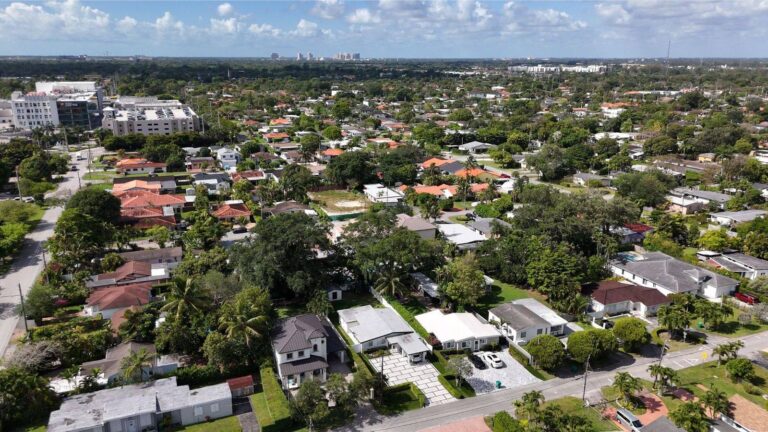
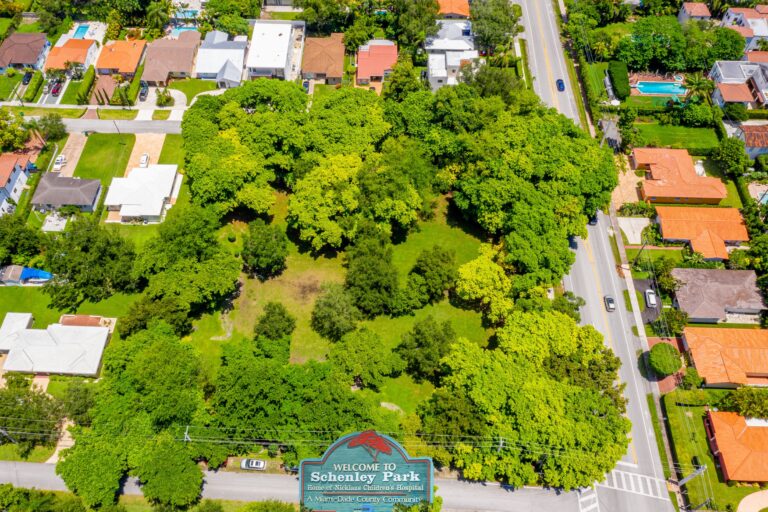
When a home didn’t sell in Miami’s Schenley Park and West Miami area, it typically comes down to one or more of five issues: the price was set above what today’s buyers and investors are actually paying, the listing photos and condition didn’t match the price point, the marketing never reached the right buyer pool, the timing collided with a slow stretch in the market, or the terms created friction that buyers walked away from. Most expired listings have two or three of these stacked on top of each other.
By Berenice Elguezabal | July 7, 2026
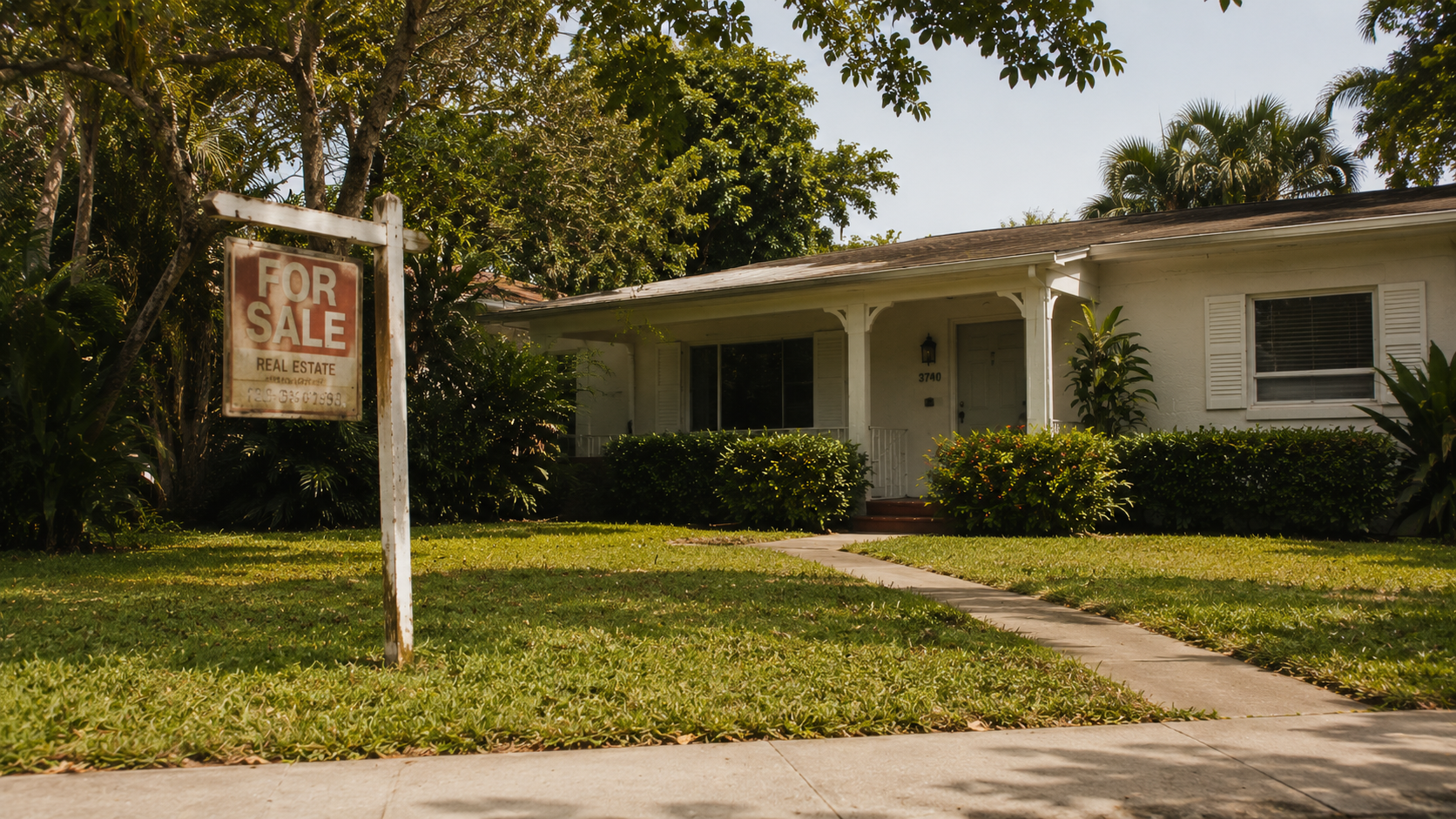
If your home came off the market without an offer — or with offers that fell through — you are not alone, and you are not stuck. I have walked plenty of Schenley Park sellers through exactly this moment: the listing expires, the “what now?” feeling sets in, and the instinct is either to give up for a while or relist with the same plan and hope the market cooperates. Neither gets you where you want to go.
When a home didn’t sell in Miami, it is not a home that cannot sell. It is a home that needs a different read on the market — and usually a different plan. Here are the five reasons homes in this area sit, and what actually changes the outcome.
5 Reasons Your Home Didn’t Sell in Miami’s Schenley Park Market
1. The Price Didn’t Match What Buyers and Investors Are Actually Paying
This is the big one, and it is almost always at least part of the story. In the Schenley Park area right now, you are not just competing against other retail listings — you are competing in a market where investors, fix-and-flip buyers, and builders are actively shopping for the same inventory, and they all know exactly what a property is worth to them.
- Retail buyers are pricing against comparable sales and what their lender’s appraisal will support.
- Investors and flippers are running their own numbers — purchase price plus renovation cost plus their margin — and they will not move off that math no matter how much you love your kitchen.
- Builders in this area are often paying $650K and up for the lot alone on teardown candidates, which can work in your favor if your home is a realistic teardown — but only if it is positioned and priced as one.
If your list price was set off what you needed to net, what a neighbor claimed they got, or an automated estimate rather than what these specific buyer types are paying for comparable properties today, that is usually the first thing that needs to change. A property priced 5–8% above the market does not just sell slower — in many cases, it does not sell at all because it never shows up in the search filters serious buyers are using. According to the National Association of Realtors, overpricing is the leading cause of homes expiring without sale across every market segment.
2. The Presentation Didn’t Match the Price Point
Buyers — and their agents — decide whether to schedule a showing within seconds of seeing photos online. If your home was priced like a move-in-ready property but photographed and presented like a work in progress, buyers scrolled past it. And if it was priced like a fixer or land-value opportunity but photographed like a staged retail listing, it confused the exact buyers who would have made an offer.
Common presentation issues on relisted homes in this area:
- Photos taken in poor lighting, with clutter, or that do not show the lot size and layout clearly
- Deferred maintenance that was not addressed or priced for — buyers notice, and they price it into their offer or skip the showing entirely
- A listing description that does not speak to the buyer type the home actually attracts — retail family buyer, investor, or builder
Every home in the $650K–$2.5M range in this market has a buyer. The question is whether your listing told that specific buyer, clearly and immediately, that this was their property.
3. The Marketing Never Reached the Right Buyer Pool
Getting a home into the MLS is the minimum, not the marketing plan. If your previous listing relied mostly on the MLS feed and a yard sign, it likely never reached the investor and builder networks that are actively buying in this area — buyers who often move fast, pay in cash, and do not need the home to be show-ready.
A property in the Schenley Park area should be marketed to all three buyer types at once: retail buyers searching on Zillow and Realtor.com, investors and flippers who track deals through their own networks, and builders specifically watching for teardown and land-value opportunities. Missing any one of those groups shrinks your buyer pool — and a smaller buyer pool means fewer offers and less negotiating leverage.
4. The Timing Worked Against You
Sometimes a home is priced right and presented well, and it still does not sell — because it hit the market at the wrong moment. Interest rate movement, a temporary dip in buyer activity, a stretch where inventory in your price range spiked, or listing right before a holiday period can all slow things down in ways that have nothing to do with your home.
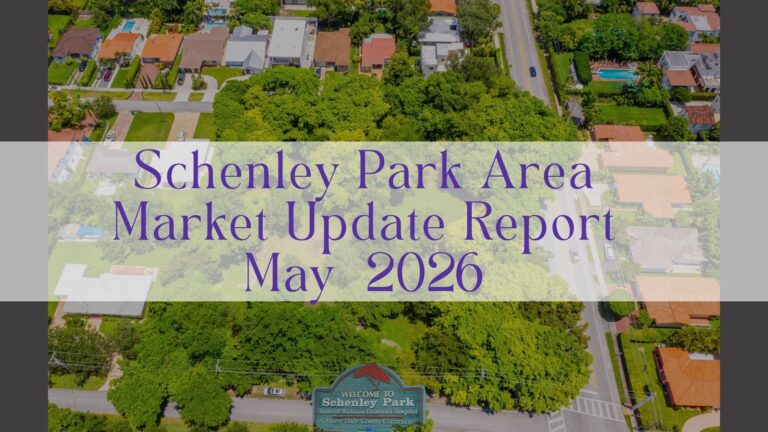
The Schenley Park Market Report tracks month-over-month pricing trends, days on market, and inventory levels so you can see whether your timing was the issue or just one piece of it. If your home expired during a slower stretch, that is useful information for how and when you relist — not a reason to assume something is wrong with the property itself.
5. The Terms Created Friction Buyers Were Not Willing to Work Through
Price and presentation get a buyer to the table. Terms are what keep them there. If your previous listing had rigid terms — an inflexible closing timeline, resistance to standard inspection or financing contingencies, or unrealistic expectations on repair requests — buyers, especially investors who move on quickly when a deal gets complicated, may have simply walked toward an easier transaction elsewhere.
This is one of the most common things I talk through with sellers before we go back on the market: which terms are truly non-negotiable, and where there is room to make the transaction smoother for the buyer without giving up what matters most. Often, a small amount of flexibility on timeline or repairs is the difference between a deal that closes and one that quietly falls apart in the inspection period.
What This Means for Schenley Park and Coral Terrace Homeowners
When a home didn’t sell in Miami’s 33155 market, the situation is more nuanced than in most Miami-Dade neighborhoods — because the buyer pool here has three distinct layers that each respond to different signals. A retail buyer, an investor, and a builder are all making different calculations when they look at the same property in Schenley Park. A listing that fails to connect with any of them has usually made the same mistake in more than one of the five areas above.
The most common pattern I see with expired listings in this neighborhood: a home was priced for a retail buyer but had deferred maintenance that priced that buyer out, while simultaneously being marketed only through standard channels that never reached the investors or builders who would have been happy to make an offer at a price that made sense for them. Two or three of the five factors — not just one — were working against it at once.
Before you relist, a current market analysis against both retail comps and land-value transactions in Schenley Park and Coral Terrace is the most useful thing you can do. It tells you exactly where the price needs to sit, which buyer type is the most realistic fit for your property today, and what the marketing plan needs to look like to reach them. That conversation is free — and it is where every relist I work on starts.
What to Do Differently Before You Relist
Relisting with the same price, the same photos, and the same plan rarely produces a different result. Before you go back on the market, get an honest read on all five areas: where your price actually sits against what investors, builders, and retail buyers are paying right now; whether your presentation matches your buyer type; whether your marketing plan reaches all three buyer pools; what current market conditions look like; and which terms are worth adjusting.
Your specific situation — your home’s condition, your timeline, and which buyer type is the strongest fit — determines what actually needs to change. That is not something a relist button fixes. A free home valuation is where that conversation starts.
Frequently Asked Questions: Why Your Home Didn’t Sell in Miami
Why did my home expire without selling in the Schenley Park area?
When a home didn’t sell in Miami’s Schenley Park market, it almost always comes down to a combination of factors: price set above what retail buyers, investors, or builders are actually paying; presentation that didn’t match the price point; marketing that didn’t reach all three buyer types; unfavorable market timing; or transaction terms that created friction. It is rarely just one factor — usually two or three are stacked together.
Should I relist with the same agent or make a change?
That depends on what the post-mortem on your listing actually shows. If the plan, the pricing strategy, and the marketing reach are not changing between the first listing and the proposed relaunch, the outcome likely will not change either. The right question is: what specifically will be different this time, and why would that produce a different result?
Is my home unsellable if it didn’t sell the first time in Miami?
No. When a home doesn’t sell in Miami, it means the previous combination of price, presentation, marketing, timing, and terms did not connect with a buyer — not that the home itself has a fundamental problem. Homes in the $650K–$2.5M range in Schenley Park sell regularly once they are positioned correctly for the buyer type they actually fit, whether that is a retail family buyer, an investor, or a builder.
How long should I wait before relisting?
There is no universal answer — it depends on why the home did not sell and what is happening in the market right now. In some cases, going back on the market quickly with a corrected plan makes sense. In others, waiting for a seasonal shift or addressing a presentation issue first produces a better result. The Schenley Park Market Report is a useful starting point for understanding current conditions before you decide.
What is the first step before relisting my home in Schenley Park?
Start with an honest, current read on what your home is actually worth to today’s buyers — not what it was priced at before. A free home valuation or a full market analysis will show you where your price needs to sit, and from there you can build a plan around presentation, marketing, and terms that is different from what did not work the first time.
Ready to Find Out What Needs to Change Before You Relist?
Your home didn’t sell in Miami — but that does not mean it cannot. It means the plan needs to change before the sign goes back in the yard. If you are ready to find out what is realistic for your property in today’s Schenley Park market, start with a real number.
- Free instant home valuation: Request your home value
- 📞 305-301-3290
- 📧 Bere@BereHomes.com
The Schenley Park Market Report is updated every month with the latest sales data, pricing trends, and inventory — exactly the context you need before you decide how and when to go back on the market.
Prefer I reach out?
Leave your details and I’ll get back to you the same business day.
Rather pick a time? Book a 15-minute call

Berenice Elguezabal
REALTOR® · Coldwell Banker Realty · Since 2001 · FL Lic. SL0695500
★ Int’l President’s Circle 2025 · Top 4% Nationwide
$150M+ career sales · 250+ closed · 7 sold in Schenley Park