
Selling a Miami-Dade Home From Out of State: POA and Remote Closing
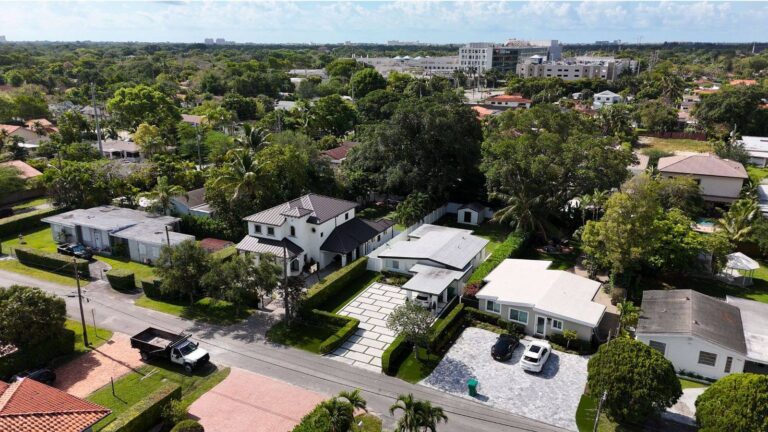
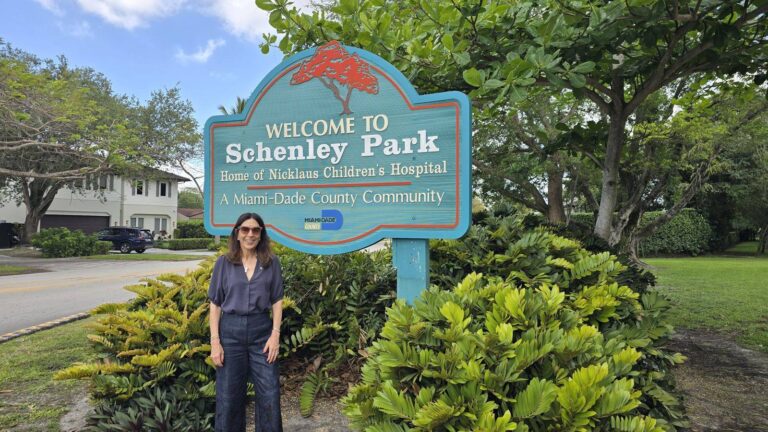
Can I sell my Miami-Dade home from out of state without flying back? Yes. A Florida seller can close from anywhere using remote online notarization, a mobile notary, mail-away signing or a properly executed power of attorney, as long as the title company accepts the method. If you own a home in the Schenley Park area, also called Coral Terrace, in Miami, FL 33155, the work that matters most is getting the signing method approved early and keeping the house in good shape while you are away.
Plenty of owners in 33155 no longer live in the house. They inherited it, moved for work or rented it out, and the decision to sell was made out of state. The question I hear is always some version of: do I have to come back to Miami to sign?
Usually you do not. But the signing method is not your choice alone. The title company, and sometimes the buyer’s lender, has to accept it, and that approval is where out-of-state closings go sideways. Here is how the options compare and how to run the sale from out of state.
Four ways to sign from a distance
- Remote online notarization. Florida law allows you to sign on a recorded live video session with a Florida online notary, after an identity check. It is convenient, but not every lender or title underwriter accepts it for every document, so ask early.
- Mobile notary. A notary comes to you, wherever you live, with the documents the title company sends. The title company usually arranges it; ask for the fee up front.
- Mail-away closing. The title company overnights the documents, you sign in front of a local notary and send the originals back. Funding waits for the originals, so plan a few extra days.
- Power of attorney. You name someone you trust to sign for you at closing. This option needs the most lead time and the most careful drafting.
If you use a power of attorney
Florida’s rules are strict. Under Florida Statute 709.2105, you must sign the power of attorney in front of two witnesses, who also sign, and acknowledge it before a notary. The agent must be an adult, or a financial institution with trust powers in Florida.
A few practical rules from the closings I have seen:
- Use a limited power of attorney for this sale. One that names the property and lists the authority to sign the contract, deed and closing documents is easier for a title company to accept than a broad form.
- Send it to the title company early. Some title companies and lenders want their own form or will not accept a private one at all. Do not wait until the week of closing.
- Choose the agent carefully. The person holding your power of attorney can sign your deed. Talk to a Florida real estate attorney before you sign it.
If the sale involves an estate, a guardianship or a co-owner who cannot sign, an attorney should handle the paperwork. My post on selling an inherited home in Miami-Dade covers the estate side.
Running the sale from out of state
Keep the house showable. An empty, overgrown house sells for less and can draw code complaints, since overgrowth and trash are common violations in unincorporated Miami-Dade. Arrange lawn care, a regular check and a trusted local person for keys and access. Keep the utilities on for inspections, and ask your insurance agent how your policy treats a vacant home.
Protect the money. Remote closings run on email, and that is where wire fraud happens. Never act on wiring instructions you received by email alone. Call the title company at a number you looked up yourself before any money moves.
Price it with local data. From out of state you cannot see what is selling on your block. In 33155 the mix of families, investors and builders changes the number a lot, and your home may be worth more as a lot than as a house. My post on selling as a teardown explains how that works.
Know your closing costs. Sellers in Miami-Dade customarily pay documentary stamps on the deed, $0.60 per $100 of the price on a single-family home, or $5,400 on a $900,000 sale, plus the commission, title fees and any loan payoff. My guide to what sellers net walks through the list.
Check your taxes and exemptions. Florida has no state income tax, but you may owe federal capital gains tax, and your new state may have its own rules. If you moved out more than three years ago, you may no longer qualify for the federal home-sale exclusion; see my capital gains post and ask your CPA. If you are not a U.S. tax resident, read my FIRPTA guide. And if the home still has a homestead exemption but you now live elsewhere, talk to the Property Appraiser, because that exemption depends on the home being your permanent residence.
A timeline that works from out of state
- Before listing: agree on the signing method with the title company, and decide who handles access, lawn care and utilities.
- At listing: send your agent the legal description, any power of attorney and your ID details, so nothing surprises you when an offer arrives.
- Under contract: confirm the signing method in writing with the title company and, if there is one, the buyer’s lender.
- A week before closing: sign, verify the wiring instructions by phone and confirm the notary or courier schedule.
- After closing: keep the closing statement and your disclosures for your CPA.
Frequently asked questions
Can I close on a Florida home sale without being there in person?
Yes. Florida sellers commonly close with remote online notarization, a mobile notary, mail-away signing or a power of attorney. The title company has to accept the method, and some lenders restrict remote signing, so confirm it early.
What does a power of attorney need to sell my Florida house?
Under Florida Statute 709.2105, you sign it in front of two witnesses and acknowledge it before a notary, and the agent must be an adult or a qualifying financial institution. The title company must also accept it, which is why a limited power of attorney for the specific property, sent early, works best.
How do I avoid wire fraud when closing remotely?
Never rely on wiring instructions received by email. Call the title company at a number you looked up yourself before sending or receiving money, and confirm every account detail by phone.
Do I still have a homestead exemption if I moved out of state?
The homestead exemption depends on the home being your permanent residence. If you now live elsewhere, contact the Miami-Dade Property Appraiser about your status.
Is Schenley Park the same as Coral Terrace?
Schenley Park is a neighborhood inside the larger Coral Terrace area, in ZIP 33155 in unincorporated Miami-Dade County.
Let's talk about your home
- Home valuation: Request your home value
- Call or WhatsApp: 305-301-3290
- Bere@BereHomes.com
This article is general information, not legal or tax advice. Power of attorney, notarization and tax questions should go to a Florida real estate attorney or a CPA.
Prefer I reach out?
Leave your details and I’ll get back to you the same business day.
Rather pick a time? Book a 15-minute call

Berenice Elguezabal
REALTOR® · Coldwell Banker Realty · Since 2001 · FL Lic. SL0695500
★ Int’l President’s Circle 2025 · Top 4% Nationwide
$150M+ career sales · 250+ closed · 8 sold in Schenley Park