What Not to Fix Before Selling Your Home | Schenley Park Real Estate
What Should You NOT Fix Before Selling a House in Schenley Park or Coral Terrace, Miami 33155?
In the current Schenley Park and Coral Terrace buyer’s market, knowing what not to fix before selling is just as important as knowing what to address. Sellers should avoid spending on cosmetic upgrades with poor return — like full kitchen remodels, flooring replacement, or landscaping overhauls — before listing. ROI on cosmetic improvements in South Florida typically runs under 50%, meaning a $20,000 investment often yields less than $10,000 in additional sale price. Instead, focus pre-listing dollars on safety, structural, and code compliance items that directly affect insurability, financing, and inspection outcomes.
By Berenice Elguezabal | June 30, 2026
One of the most common mistakes I see sellers make — especially in a buyer’s market — is spending money in the wrong places before they list. They renovate the kitchen. They replace the floors. They hire a landscaper. Then they are surprised when the sale price does not reflect what they spent.
Here is the truth: in the Schenley Park and Coral Terrace market right now, buyers are not paying dollar-for-dollar for pre-sale improvements. They are pricing in their own taste, their own contractor relationships, and their own vision for the space. The math rarely works in your favor when you are trying to recoup renovation costs from a buyer who would have done it differently anyway.
What I tell every seller I work with: spend strategically, skip the cosmetics, and put your money where buyers’ lenders and inspectors will notice — not where buyers’ eyes will land. Here is what that looks like in practice.
What Not to Fix Before Selling: Items You Can Safely Skip
Full Kitchen or Bathroom Remodels
This is the big one. Sellers look at HGTV, see beautifully staged kitchens, and conclude that updating theirs will pay off. It almost never does — not fully, and especially not in a buyer’s market where buyers are already negotiating from a position of strength.
A full kitchen remodel in Miami runs $25,000–$60,000 depending on scope. According to the Remodeling Magazine Cost vs. Value Report, major kitchen remodels nationally recoup less than 50% of cost at resale — and in a buyer’s market that number trends lower. A buyer who wants a different cabinet style or countertop material is not going to pay you back for the one you installed.
Skip it. Deep clean, declutter, and make sure everything works. That is enough.
New Flooring Throughout
If your flooring is functional and clean, replacing it before listing is a money pit. Buyers may rip it out anyway to install what they prefer. And in South Florida, where tile is preferred for durability and humidity resistance, spending $8,000–$15,000 to replace flooring that is merely dated — not damaged — rarely comes back to you at closing.
The exception: flooring that is actively broken, creating a safety hazard, or so water-damaged it will flag on inspection. That is a different conversation.
Fresh Paint — Mostly
Neutral, clean paint throughout the home costs relatively little and can help with photography and showings. A clean coat of neutral white or light gray on the main living areas — done. That is the entire paint budget. What to skip: repainting every room with premium finishes or paying for specialty treatments and accent walls that buyers may immediately change.
Landscaping Overhauls
A clean yard matters. An overgrown, neglected yard is an easy fix worth doing. But elaborate landscaping installations — new sod, irrigation systems, plantings — rarely add measurable value in the Schenley Park market. Buyers here are buying the house and the lot, not the garden design. Trim, weed, clean up the beds, and call it done.
Appliance Upgrades
Unless an appliance is broken, do not replace it. A working 8-year-old refrigerator is not hurting your sale. Buyers who want a specific brand or configuration will bring their own or negotiate a credit. Do not spend $3,000–$6,000 on new appliances that may not even match a buyer’s preferences.
What You Should NOT Skip Before Selling
Now for the flip side — the things sellers try to hide, defer, or dismiss that absolutely come back to bite them.
Roof Issues
In Miami-Dade, the roof is the single most scrutinized item in an inspection. Insurance companies require it. Buyers’ lenders require it. And buyers know it. An aging roof with visible damage or documented leaks will either kill your deal or cost you significantly more in negotiations than fixing it upfront would have.
If your roof has documented problems, get a roofer’s opinion before you list. Sometimes a repair — not a full replacement — is all that is needed. Either way, know your roof’s status before buyers find out from their inspector.
Open or Unpermitted Work
Unpermitted additions, enclosed garages, or work done without permits are a significant problem in Miami-Dade, where code enforcement is active and title companies are thorough. An open permit or unpermitted structure will surface in the title search or inspection — and it can derail a closing at the worst possible moment.
Pull the permit history before you list. If there is an open permit, work with a contractor to close it. If there is an unpermitted addition, talk to your agent about how to disclose and price accordingly.
Obvious Water Damage or Leaks
Any evidence of active or past water intrusion — stained ceilings, soft spots, mold — will trigger a red flag in inspection and may affect both financing and insurance. Florida’s disclosure laws require you to reveal known material defects anyway. Get ahead of it: address the source of the problem, remediate properly, and document the fix.
Electrical Hazards
Outdated wiring, missing GFCIs in bathrooms and kitchens, or panels that will not pass inspection are safety issues — not cosmetic ones. These affect insurability directly. A buyer’s insurance quote may come back astronomical — or denied — based on the electrical condition of the home, and that can kill a financed deal. Fix these.
HVAC Condition
In South Florida, a failing AC is not a negotiating chip — it is a deal-breaker in the summer months. Have your system serviced before listing. If it is near end of life, know the cost of replacement so you can factor it into your pricing or offer it as a credit rather than getting blindsided in negotiation.
The Real Decision Framework: Three Questions Before You Spend a Dollar
Before any pre-sale dollar is spent, ask yourself these three questions:
- Will this affect the buyer’s ability to get financing or insurance? If yes — fix it. These are non-negotiable in Miami-Dade’s complex insurance market.
- Will this show up on inspection in a way that gives the buyer leverage to renegotiate? If yes — address it, or price it in upfront.
- Is this a cosmetic preference that a buyer might undo anyway? If yes — this is exactly what not to fix before selling. Your taste is not universal, and you will not get your money back.
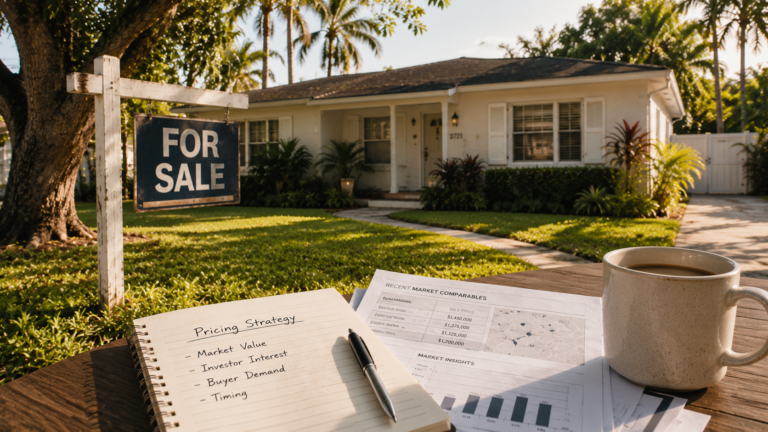
In the Schenley Park and Coral Terrace market right now, correctly priced homes are moving in about 26 days. Overpriced homes — including those that tried to recoup renovation costs in the asking price — are sitting for 180 days and ultimately netting less. Pricing strategy is doing more work right now than any pre-sale renovation.
Pricing Does More Work Than Renovation
The most expensive mistake is not skipping a repair. It is spending on improvements and then trying to recover that spend in the asking price.
A home priced correctly from day one moves. A home priced to recoup $25,000 of cosmetic work sits, accumulates carrying costs — taxes, insurance, utilities, mortgage interest — and eventually sells after price reductions that cost more than the renovation ever added. The seller ends up paying twice.
Deciding what not to fix is one half of that strategy. Pricing correctly is the other, and the two decisions belong in the same conversation. Current days on market for 33155 are in the monthly market reports, and the pricing mistakes that cost sellers most are worth reading before you set a number.
When you do decide to address something, know what it does to your bottom line first. Open or unpermitted work and a wind mitigation inspection both change what a buyer can finance and insure, which is a different category from cosmetic preference. What each choice leaves in your pocket is laid out in what sellers actually walk away with.
What This Means for Schenley Park and Coral Terrace Homeowners
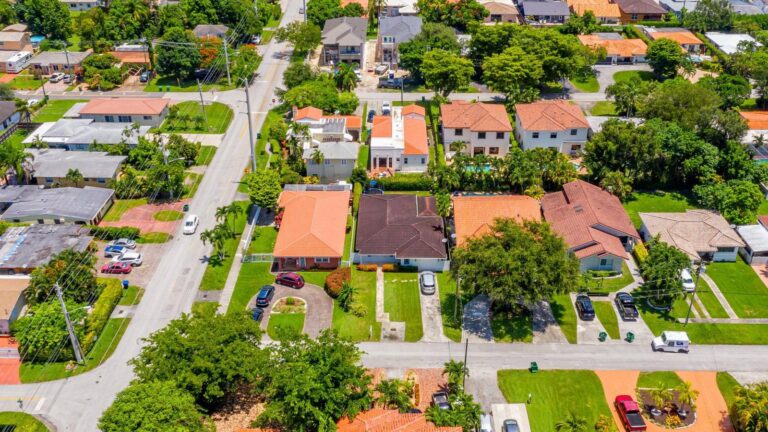
The question of what not to fix before selling looks slightly different in Schenley Park and Coral Terrace than it does in other Miami-Dade neighborhoods — and the reason is the buyer pool.
In 33155, sellers are not just listing for retail move-in buyers. Investors running renovation math and builders pricing lot potential are actively in this market. That changes the calculus on pre-sale improvements significantly. A $30,000 kitchen remodel that a retail buyer might not pay back is even less likely to pay back for an investor or builder who plans to gut the home anyway. For those buyer types, condition matters far less than lot size, zoning, and price.
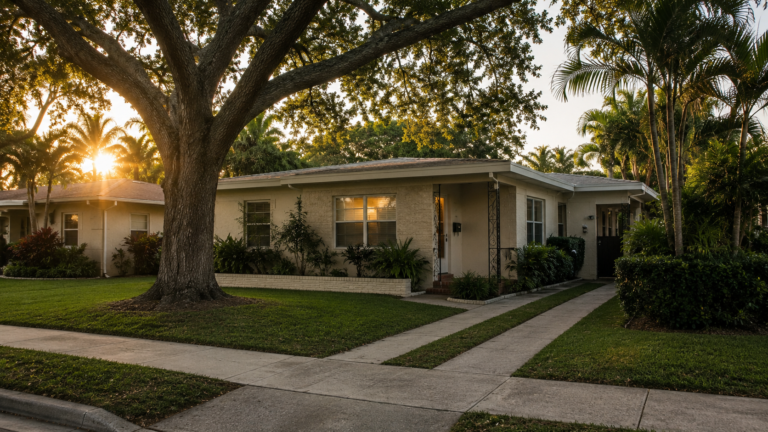
For homes that are genuinely targeting retail buyers — families who want a move-in-ready property in an established neighborhood — the priority list is still the same: roof, permits, water intrusion, electrical, and HVAC. Cosmetic choices come last and often do not belong on the list at all.
The Schenley Park Market Report tracks current buyer behavior, days on market, and what is actually moving in 33155 — worth reviewing before you decide what, if anything, to spend before your listing goes live.
Frequently Asked Questions About What Not to Fix Before Selling in Schenley Park
Should I repaint my house before selling in Miami 33155?
Light neutral paint in main living areas is low cost and helps with photography and showings — worth doing. A full repaint of every room with premium finishes is not. Stick to clean, neutral, and consistent. Do not invest in specialty treatments or accent walls that buyers may immediately change.
Does a new roof help sell a house faster in Schenley Park Miami?
A roof in good documented condition removes a major inspection and insurance obstacle, which can meaningfully accelerate your sale and reduce buyer concession requests. A brand-new roof will not necessarily command a dollar-for-dollar premium in price, but it removes the single biggest friction point in Miami-Dade residential sales.
What happens if I sell as-is in Miami 33155 without fixing anything?
You can sell as-is in Florida — the AS-IS contract is standard here. But as-is does not mean buyers will not inspect. It means you will not make repairs after the inspection period. Buyers will still factor the home’s condition into their offer, and they will often request a larger discount than the cost of the repairs themselves. In most cases, addressing safety and structural items before listing produces better net proceeds than selling as-is and absorbing a steeper price reduction.
Do I need to disclose problems even if I’m selling as-is in Florida?
Yes. Florida law requires sellers to disclose known material defects that are not obvious to buyers. This applies regardless of whether you are selling as-is. Failure to disclose can result in legal liability after closing. Work with your agent and, if needed, a real estate attorney to ensure your disclosure document is complete before you list.
Is it worth staging a house in Schenley Park Miami?
Professional staging typically produces better listing photos and a stronger first impression — both of which matter in a market where buyers have options. Full staging costs $1,500–$3,500 for a home this size; virtual staging is available for less. The ROI on staging is generally better than the ROI on most physical renovations. If your home is vacant, it is worth the investment.
Ready to Know Exactly What to Fix — and What to Skip — Before You List?
Knowing what not to fix before selling your Schenley Park or Coral Terrace home is the first step. The second is knowing what your home is actually worth in today’s market — not a Zestimate, not a county average, but the real comparable sales for your specific street and property type.
- Free instant home valuation: Request your home value
- 📞 305-301-3290
- 📧 Bere@BereHomes.com
The Schenley Park Market Report is updated every month with the latest sales data, pricing trends, and inventory — useful context before you decide what to spend and when to list.
Prefer I reach out?
Leave your details and I’ll get back to you the same business day.
Rather pick a time? Book a 15-minute call

Berenice Elguezabal
REALTOR® · Coldwell Banker Realty · Since 2001 · FL Lic. SL0695500
★ Int’l President’s Circle 2025 · Top 4% Nationwide
$150M+ career sales · 250+ closed · 7 sold in Schenley Park