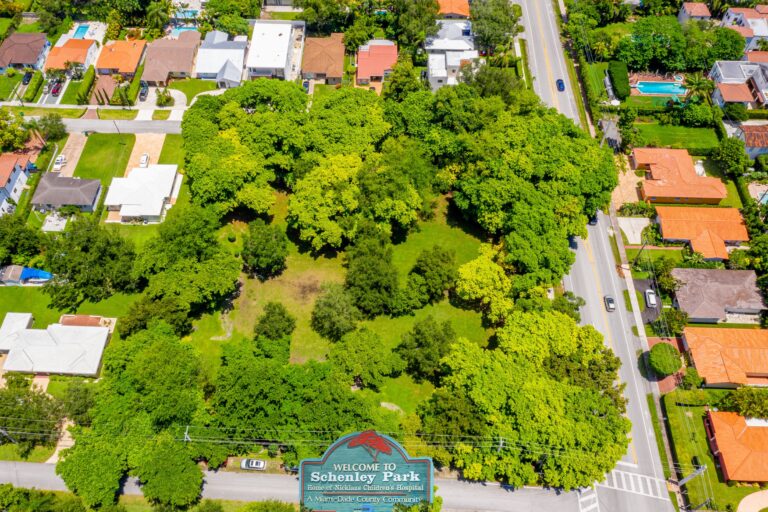
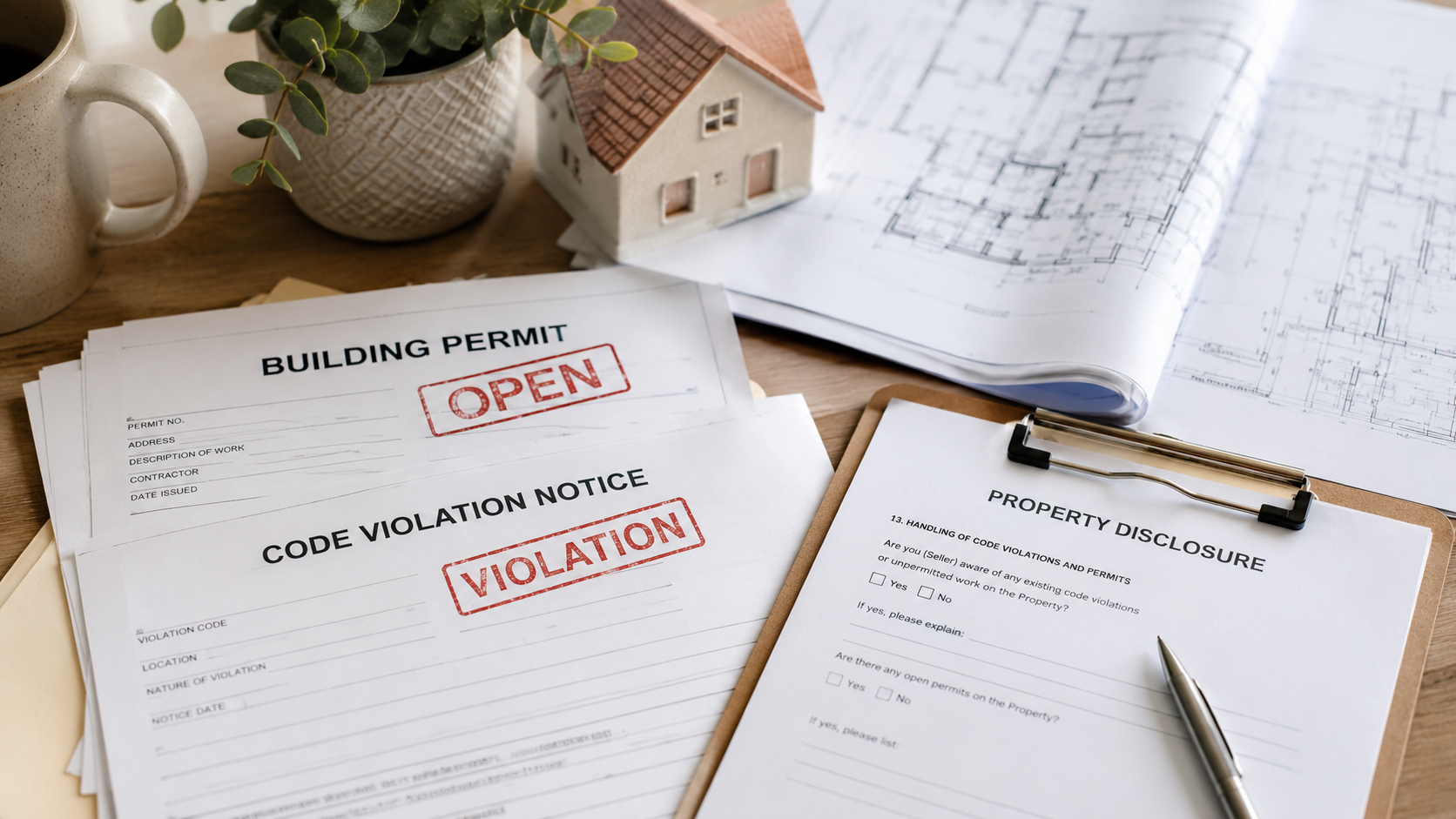
Do Schenley Park and Coral Terrace Sellers Need to Disclose Open Permits and Unpermitted Work?
Do Schenley Park sellers have to disclose open permits and unpermitted work? Yes. Sellers in unincorporated Miami-Dade, including Schenley Park and the wider Coral Terrace area (33155), must disclose illegal construction and code violations when the buyer signs the contract.
If you are selling a home with open permits in Miami, the time to find out is before you list, not during escrow. Before you look at comps or put a sign in the yard, check the permit history of your house. It is one of the few things that can derail a sale after you and the buyer have already agreed on price.
Miami-Dade County itself warns buyers that many home inspections do not check for illegal construction or outstanding code violations. That warning is built into the disclosure the county requires, and it is why good buyers’ agents now go looking. Finding out early gives you options. Finding out in escrow gives you a deadline.
Why Older Schenley Park Homes Often Have Permit Gaps
Most homes in Schenley Park were built between the 1950s and the 1980s. They are solid single-family homes that have been updated, expanded, and personalized by several owners over the decades. The same is true across the rest of Coral Terrace, which shares nearly identical housing stock. What did not always happen along the way was a permit application.
A carport enclosed in 1978. A laundry room added to the garage. A screened lanai turned into a Florida room. A bathroom carved out of a utility space. These are ordinary stories in 33155, and most owners never thought twice about them. There are two different problems to separate:
- An open permit means a permit was pulled, but the final inspection was never completed. The work may be perfectly fine; the paperwork was just never closed.
- Unpermitted work means the work was done without any permit. Fixing it usually means applying for an after-the-fact permit and passing inspection, and sometimes correcting the work first.
If you inherited the home or bought it years ago, the prior owner’s unpermitted work is still your disclosure issue. If that sounds familiar, my guide to selling an inherited home in Miami walks through what to check first.
How Permit Problems Surface During a Sale
Assume it will be found. In most transactions it comes up in one of four places:
- The buyer’s inspector. Square footage that does not match the county record, an addition that does not match the original construction, or work that looks out of step with the age of the home all get noted.
- The buyer’s permit search. Buyers’ agents can pull the county permit history, and the county offers its own open permit and lien searches for a fee.
- The buyer’s lender and appraiser. An appraiser who sees an addition that is not in the record, or an underwriter who finds an open permit or code case, can slow down or stop financing. How strict this is depends on the lender and the loan, but it is one of the more common late-stage surprises I see.
- The title and lien search. Standard title work does not always check for open permits or pending code enforcement, and title agents often say so in writing. Recorded liens and fines can show up, though, and they have to be cleared before title can transfer.
What You Must Disclose in Unincorporated Miami-Dade
Schenley Park and Coral Terrace are in unincorporated Miami-Dade County. Under the county code, sellers of residential property in the unincorporated area must disclose illegal construction and outstanding code violations, either in the contract itself or in an addendum signed the same day as the contract. The buyer must sign and date the disclosure. The required language warns buyers that many inspections miss these issues and that they could be responsible for fixing them at their own expense after closing. You can read the county’s explanation on its Buying and Selling Residential Properties page.
Florida law also requires sellers to tell buyers about known problems that materially affect the value of the home and are not easy to see. That duty is separate from the county ordinance.
Selling as-is does not change any of this. An as-is contract limits what you owe a buyer in repairs after inspection. It does not let you stay quiet about what you already know. I cover the difference in my guide to the Florida as-is contract and seller disclosure.
If your address sits inside a city rather than the unincorporated area, the rules may differ, so ask me to confirm for your property. This is general information, not legal advice; your real estate attorney should confirm how it applies to your sale.
How Open Permits Affect Your Buyer Pool
Schenley Park and Coral Terrace homes usually attract three kinds of buyers, and a permit problem lands differently on each.
Financed Retail Buyers
These buyers are the most exposed. If the lender flags an open permit or unpermitted addition, the buyer may need it resolved before closing, may ask you for a price reduction, or may walk. Some deals recover; some do not.
Cash Investors and Flippers
Cash buyers do not have a lender to satisfy, so they can close with open permits. They will price the risk into their offer, though, along with the cost and time to fix it and their margin. My page for builders and investors in Schenley Park explains how these buyers think.
Builders Buying for Teardown
If the lot is the real value, the permit history of the existing structure often matters much less, because the builder plans to demolish it. See how to sell a home as a teardown in Miami to find out whether your property fits.
Which group your home realistically fits is the first conversation to have with your listing agent. The Schenley Park Market Report shows what is actually closing in 33155 each month.
Your Three Options Before You List
Option 1: Resolve the Permits Before Listing
Apply for after-the-fact permits for unpermitted work, schedule the outstanding inspections, and get the final sign-off from the county. How long it takes depends on the scope of the work and inspection scheduling, and if the work was not built to code you may need to correct it first. A clean permit record opens your full buyer pool and removes the issue from your disclosure. That is usually the strongest path. Not every repair is worth doing before you list, though, so read what not to fix before selling in Schenley Park before you spend money.
Option 2: Disclose and Price It Accordingly
If the issue is minor, or the timeline does not fit your plans, you can disclose fully, price the home to reflect it, and market to buyers who can absorb it, mostly cash buyers. This works, but it generally narrows the buyer pool. The savings from skipping the permit work can be smaller than the discount you accept.
Option 3: Weigh What Is Actually at Stake for a Teardown
If your property is more likely to sell for its land, the unapproved Florida room may matter far less than the lot, the zoning, and what a builder is allowed to build.
Whichever route you choose, run the search before you list. The county’s Regulation Cases search covers work-without-permit cases, expired permits, and unsafe structures, and the county’s e-Permitting menu lets you look up open permits by address. For a formal answer, the county also offers paid open permit and lien records searches. I can help you read what you find.
Do Schenley Park sellers have to disclose open permits and unpermitted work? Yes. Sellers in unincorporated Miami-Dade, including Schenley Park and the wider Coral Terrace area (33155), must disclose illegal construction and code violations when the buyer signs the contract.
If you are selling a home with open permits in Miami, the time to find out is before you list, not during escrow. Before you look at comps or put a sign in the yard, check the permit history of your house. It is one of the few things that can derail a sale after you and the buyer have already agreed on price.
Miami-Dade County itself warns buyers that many home inspections do not check for illegal construction or outstanding code violations. That warning is built into the disclosure the county requires, and it is why good buyers’ agents now go looking. Finding out early gives you options. Finding out in escrow gives you a deadline.
Why Older Schenley Park Homes Often Have Permit Gaps
Most homes in Schenley Park were built between the 1950s and the 1980s. They are solid single-family homes that have been updated, expanded, and personalized by several owners over the decades. The same is true across the rest of Coral Terrace, which shares nearly identical housing stock. What did not always happen along the way was a permit application.
A carport enclosed in 1978. A laundry room added to the garage. A screened lanai turned into a Florida room. A bathroom carved out of a utility space. These are ordinary stories in 33155, and most owners never thought twice about them. There are two different problems to separate:
- An open permit means a permit was pulled, but the final inspection was never completed. The work may be perfectly fine; the paperwork was just never closed.
- Unpermitted work means the work was done without any permit. Fixing it usually means applying for an after-the-fact permit and passing inspection, and sometimes correcting the work first.
If you inherited the home or bought it years ago, the prior owner’s unpermitted work is still your disclosure issue. If that sounds familiar, my guide to selling an inherited home in Miami walks through what to check first.
How Permit Problems Surface During a Sale
Assume it will be found. In most transactions it comes up in one of four places:
- The buyer’s inspector. Square footage that does not match the county record, an addition that does not match the original construction, or work that looks out of step with the age of the home all get noted.
- The buyer’s permit search. Buyers’ agents can pull the county permit history, and the county offers its own open permit and lien searches for a fee.
- The buyer’s lender and appraiser. An appraiser who sees an addition that is not in the record, or an underwriter who finds an open permit or code case, can slow down or stop financing. How strict this is depends on the lender and the loan, but it is one of the more common late-stage surprises I see.
- The title and lien search. Standard title work does not always check for open permits or pending code enforcement, and title agents often say so in writing. Recorded liens and fines can show up, though, and they have to be cleared before title can transfer.
What You Must Disclose in Unincorporated Miami-Dade
Schenley Park and Coral Terrace are in unincorporated Miami-Dade County. Under the county code, sellers of residential property in the unincorporated area must disclose illegal construction and outstanding code violations, either in the contract itself or in an addendum signed the same day as the contract. The buyer must sign and date the disclosure. The required language warns buyers that many inspections miss these issues and that they could be responsible for fixing them at their own expense after closing. You can read the county’s explanation on its Buying and Selling Residential Properties page.
Florida law also requires sellers to tell buyers about known problems that materially affect the value of the home and are not easy to see. That duty is separate from the county ordinance.
Selling as-is does not change any of this. An as-is contract limits what you owe a buyer in repairs after inspection. It does not let you stay quiet about what you already know. I cover the difference in my guide to the Florida as-is contract and seller disclosure.
If your address sits inside a city rather than the unincorporated area, the rules may differ, so ask me to confirm for your property. This is general information, not legal advice; your real estate attorney should confirm how it applies to your sale.
How Open Permits Affect Your Buyer Pool
Schenley Park and Coral Terrace homes usually attract three kinds of buyers, and a permit problem lands differently on each.
Financed Retail Buyers
These buyers are the most exposed. If the lender flags an open permit or unpermitted addition, the buyer may need it resolved before closing, may ask you for a price reduction, or may walk. Some deals recover; some do not.
Cash Investors and Flippers
Cash buyers do not have a lender to satisfy, so they can close with open permits. They will price the risk into their offer, though, along with the cost and time to fix it and their margin. My page for builders and investors in Schenley Park explains how these buyers think.
Builders Buying for Teardown
If the lot is the real value, the permit history of the existing structure often matters much less, because the builder plans to demolish it. See how to sell a home as a teardown in Miami to find out whether your property fits.
Which group your home realistically fits is the first conversation to have with your listing agent. The Schenley Park Market Report shows what is actually closing in 33155 each month.
Your Three Options Before You List
Option 1: Resolve the Permits Before Listing
Apply for after-the-fact permits for unpermitted work, schedule the outstanding inspections, and get the final sign-off from the county. How long it takes depends on the scope of the work and inspection scheduling, and if the work was not built to code you may need to correct it first. A clean permit record opens your full buyer pool and removes the issue from your disclosure. That is usually the strongest path. Not every repair is worth doing before you list, though, so read what not to fix before selling in Schenley Park before you spend money.
Option 2: Disclose and Price It Accordingly
If the issue is minor, or the timeline does not fit your plans, you can disclose fully, price the home to reflect it, and market to buyers who can absorb it, mostly cash buyers. This works, but it generally narrows the buyer pool. The savings from skipping the permit work can be smaller than the discount you accept.
Option 3: Weigh What Is Actually at Stake for a Teardown
If your property is more likely to sell for its land, the unapproved Florida room may matter far less than the lot, the zoning, and what a builder is allowed to build.
Whichever route you choose, run the search before you list. The county’s Regulation Cases search covers work-without-permit cases, expired permits, and unsafe structures, and the county’s e-Permitting menu lets you look up open permits by address. For a formal answer, the county also offers paid open permit and lien records searches. I can help you read what you find.
Frequently Asked Questions About Open Permits and Unpermitted Work in Schenley Park and Coral Terrace
What is the difference between an open permit and unpermitted work?
An open permit was issued but never had its final inspection. Unpermitted work was done without any permit. Open permits are closed by passing the final inspection. Unpermitted work usually requires an after-the-fact permit and an inspection, and sometimes corrections first.
Does selling as-is let me skip disclosing open permits?
No. An as-is contract limits repair obligations after a buyer’s inspection. It does not remove your duty to disclose known issues, and sellers in unincorporated Miami-Dade must also provide the county’s illegal construction and code violation disclosure at contract.
Can a financed buyer close on a home with open permits?
Sometimes, but it depends on the lender, the loan, and what the permit covers. Many underwriters want open permits closed first. Cash buyers do not face a lender, but they will price the permit issue into their offer.
How do I check my home’s permit history?
Search the county’s Regulation Cases and e-Permitting tools linked above using your address or folio number, or ask me to walk through the results with you. Some sellers also hire a permit expediter before listing.
Is Schenley Park part of Coral Terrace?
Yes. Schenley Park is a sub-neighborhood within Miami’s broader Coral Terrace area (ZIP 33155), and the two share similar housing stock. The permit and disclosure rules in this post apply across both. For the bigger picture, see my Coral Terrace real estate guide.
Find Out Before Your Buyer’s Lender Does
If you are thinking about selling your Schenley Park or Coral Terrace home and are not sure what the permit history looks like, start there, before you price, prepare, or list.
Call or text me at 305-301-3290, get your free home valuation, or book a 15-minute call to talk through your situation.
Berenice Elguezabal, Real Estate Advisor, Coldwell Banker Realty
The Schenley Park Market Report is updated every month with the latest sales data and market conditions — useful context for timing your listing once the permit picture is clear.
Prefer I reach out?
Leave your details and I’ll get back to you the same business day.
Rather pick a time? Book a 15-minute call

Berenice Elguezabal
REALTOR® · Coldwell Banker Realty · Since 2001 · FL Lic. SL0695500
★ Int’l President’s Circle 2025 · Top 4% Nationwide
$150M+ career sales · 250+ closed · 7 sold in Schenley Park