Termite Report Problems When Selling in Schenley Park (Miami FL 33155)
What happens if the termite inspection finds something when you sell in Schenley Park? A Florida wood-destroying organism (WDO) report lists live termites, evidence of past activity and visible wood damage, and a finding rarely kills the sale by itself. In the Schenley Park and Coral Terrace area of Miami, FL 33155, it usually becomes a negotiation over treatment, repair or price, and the seller who already knows what the report says negotiates from a much stronger position. The sellers who get hurt are the ones who read it for the first time in week two of the contract.
By Berenice Elguezabal | October 16, 2026
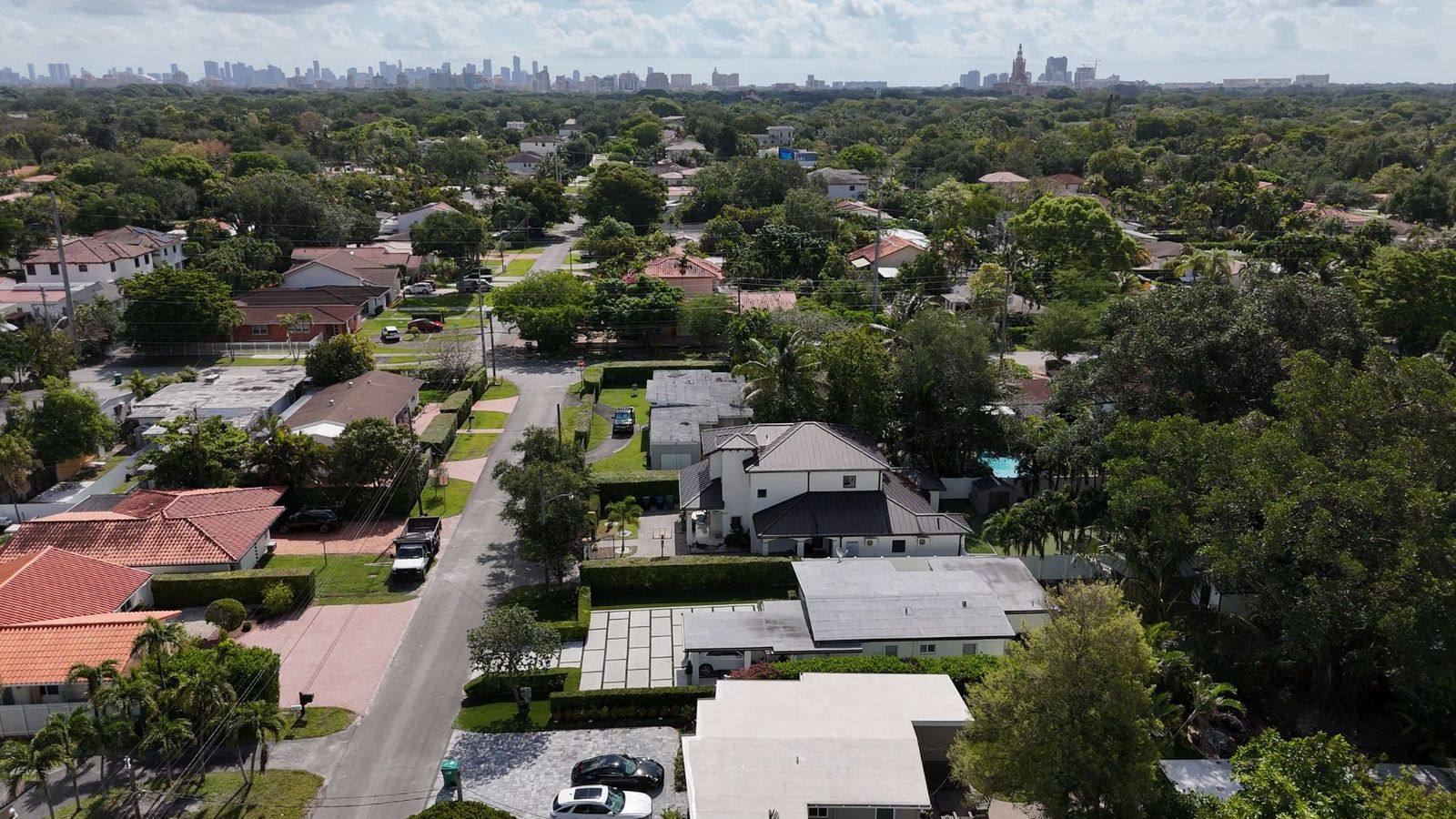
Most sellers treat the termite inspection as a box the lender checks. It is more than that. It is the one inspection in a Florida sale that comes back on a state form with a pass-or-fail feel to it, and the buyer’s lender, the buyer’s inspector and the buyer’s insurance agent will all read the same page. In a neighborhood where most homes were built between the 1940s and the 1980s, you should assume that page is going to say something.
Here is what I tell every Schenley Park seller who asks: know what the WDO report will say before the buyer’s inspector does. This is how the report works, what it can’t tell anyone and what to do with a bad one.
What the WDO report actually says
The standard report is the Florida Department of Agriculture and Consumer Services Wood-Destroying Organisms Inspection Report (Form 13645). It is written by a licensed pest control company and covers termites, powder post beetles, old house borers and wood-decaying fungi. The findings section sorts what the inspector saw into three groups:
- Live WDOs: active insects, with the type and location.
- Evidence: dead insects or insect parts, frass (the pellet-like droppings), shelter tubes or exit holes.
- Damage: visible damage, with its location and a description.
Two parts of the form matter more than sellers realize:
- The obstructions section. The inspector lists every area they could not see or reach: attic spaces, rooms blocked by stored items, exterior walls behind plantings. The report gives no information about those areas. A cluttered attic and a storage-packed garage don’t make a clean report; they make an incomplete one.
- The disclaimer. The form states plainly that it is not a structural damage report and that hidden damage may exist. A clean report doesn’t tell a buyer the framing is sound, and a bad one doesn’t tell them it isn’t. That is a different inspection.
The report also records whether there is evidence of previous treatment and whether the company treated during the inspection. A lender may require a clean report as a loan condition, and lenders commonly want it dated close to closing, often within about 30 days, though it varies by lender. Ask the buyer’s lender early instead of assuming.
Why homes in 33155 see findings
Older wood framing, original roof decking and decades of additions give wood-destroying organisms a lot to work with, and South Florida has both main types in play:
- Subterranean termites are the most common wood-destroying pest in Florida. They live in colonies in the soil and build mud tubes up foundation walls and slabs.
- Drywood termites don’t need soil contact. They live in the wood itself, and the damage often shows up in attic framing, fascia, soffits and trim, the places a quick walkthrough tends to miss.
Moisture is the usual accomplice. A slow plumbing leak, wood that touches soil, grading that sends water toward the foundation and firewood stacked against a wall all show up as conditions that invite infestation, even when no insects are found.
None of this means your home has a problem. It means the odds that an inspector writes something down are high enough that you should plan for it rather than hope.
Who pays when the report finds something
There is no single answer, and you shouldn’t trust anyone who gives you one without seeing your contract and the buyer’s loan type.
- Who pays for the inspection itself is negotiated in the contract. It is often the buyer’s cost, but some loan programs have their own rules and local custom varies.
- Who pays for treatment and repair depends on the contract form and what you negotiated. The standard Florida Realtors/Florida Bar contract and its As-Is version handle inspections and repairs differently, so read the inspection and repair sections, or have a Florida real estate attorney or your title company walk you through them before you list. I cover the as-is contract and seller disclosure rules in another article.
A finding gives the buyer leverage in one of three ways: asking you to treat and repair, asking for a price credit, or using it as a reason to cancel during the inspection period. Which of those is available depends on the contract. That is a contract question, not a termite question.
What to do when the report is bad
You have four realistic paths, and the right one depends on who is buying.
- Treat and re-inspect. For live activity, the pest control company treats, and a re-inspection with updated paperwork tells the lender and the buyer the issue was handled. Spot treatment and tenting the whole house are very different jobs and prices, so get a written quote before you decide.
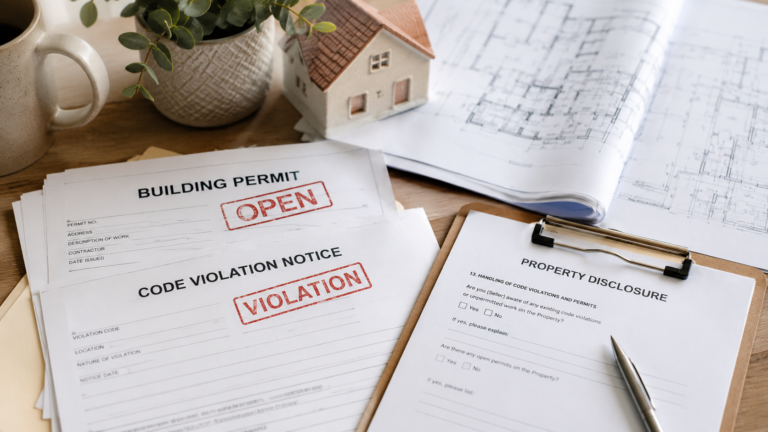
- Repair the damaged wood. A licensed contractor replaces damaged framing or trim. If the repair touches the structure it may need a permit, and an unpermitted repair creates its own problem; see open permits when selling in Miami.
- Offer a credit or a price adjustment. For minor findings, a credit at closing can be cheaper and faster than doing the work on a seller’s timeline. See how that works in seller concessions in Schenley Park.
- Sell as-is to a buyer who isn’t affected. A builder buying for a teardown cares about the lot, not the framing. That is one reason selling as a teardown can be the cleanest path for a house with extensive damage, though the contract still has to say so and you still have to disclose what you know.
One more thing worth knowing: a current termite bond or an active treatment contract is a selling point. Buyers without one will price in the protection themselves, so ask your pest control company what yours covers and whether it transfers.
The report reads differently depending on who is buying
- The financed buyer is the most affected. Their lender and insurer may require a clean report, and a bad one can delay or reprice the deal. For them, treat and re-inspect is usually the path.
- The investor reads the report as a repair estimate. They will price in the cost and move on, but they will ask for it.
- The builder is buying the land. A termite report rarely changes their number, although they will still ask for the documents.
Line this up with your other pre-listing decisions. I walk sellers through what is worth fixing in what not to fix before selling, and the roof and attic are often where WDO evidence and insurance problems overlap; see selling a home with an older roof. If a storm was involved, my guide to selling a storm-damaged home with an open claim covers the insurance side.
Frequently asked questions
Do I need a termite inspection to sell my house in Florida?
Florida law does not require the seller to order one. In practice, most financed buyers’ lenders ask for a WDO report, so it is usually done during the contract. Whether you get one before listing, and who pays, depends on your contract and your strategy.
How long is a WDO report good for?
The report reflects conditions on the day of the inspection only. Lenders often want one completed within about 30 days of closing, but requirements vary, so confirm with the buyer’s lender.
Does a termite finding mean I can’t sell my house?
No. Treatment, repair, a price credit or an as-is sale to an investor or builder are all common ways through it. It becomes a problem when it surfaces late and you have no plan.
Is the WDO report the same as a structural inspection?
No. The form states it is not a structural damage report. It records what was visible and accessible and does not evaluate whether the framing is sound. Structural questions need a licensed contractor or engineer.
Should I get a termite inspection before I list my Schenley Park home?
It is often worth it in an area of older homes like 33155. Knowing the result before a buyer does lets you treat, repair or price for it on your own timeline instead of negotiating under a contract deadline.
A termite finding is a leverage problem: whoever sees it first controls the conversation. If you are thinking about selling in Schenley Park or Coral Terrace, let’s look at your home, and your price, before a buyer’s inspector does.
- Home valuation: Request your home value
- Call or WhatsApp: 305-301-3290
- Bere@BereHomes.com
This article is general information, not legal or pest control advice. Contract, repair-obligation and permit questions should go to a Florida real estate attorney, and treatment questions to a licensed pest control company.
Prefer I reach out?
Leave your details and I’ll get back to you the same business day.
Rather pick a time? Book a 15-minute call

Berenice Elguezabal
REALTOR® · Coldwell Banker Realty · Since 2001 · FL Lic. SL0695500
★ Int’l President’s Circle 2025 · Top 4% Nationwide
$150M+ career sales · 250+ closed · 7 sold in Schenley Park