Selling a Home With a Reverse Mortgage in Miami-Dade: A Guide for Owners and Heirs
Can you sell a house with a reverse mortgage in Miami-Dade? Yes. You, or your heirs if you inherited the home, can sell at any time, and the reverse mortgage balance is paid off from the sale proceeds at closing, the same way the title company would pay off any other mortgage. In the Schenley Park and Coral Terrace area of Miami, FL 33155, the question comes up most often with the families of long-time owners. A reverse mortgage almost never prevents a sale; it adds a payoff step and, for heirs, a clock.
By Berenice Elguezabal | October 28, 2026
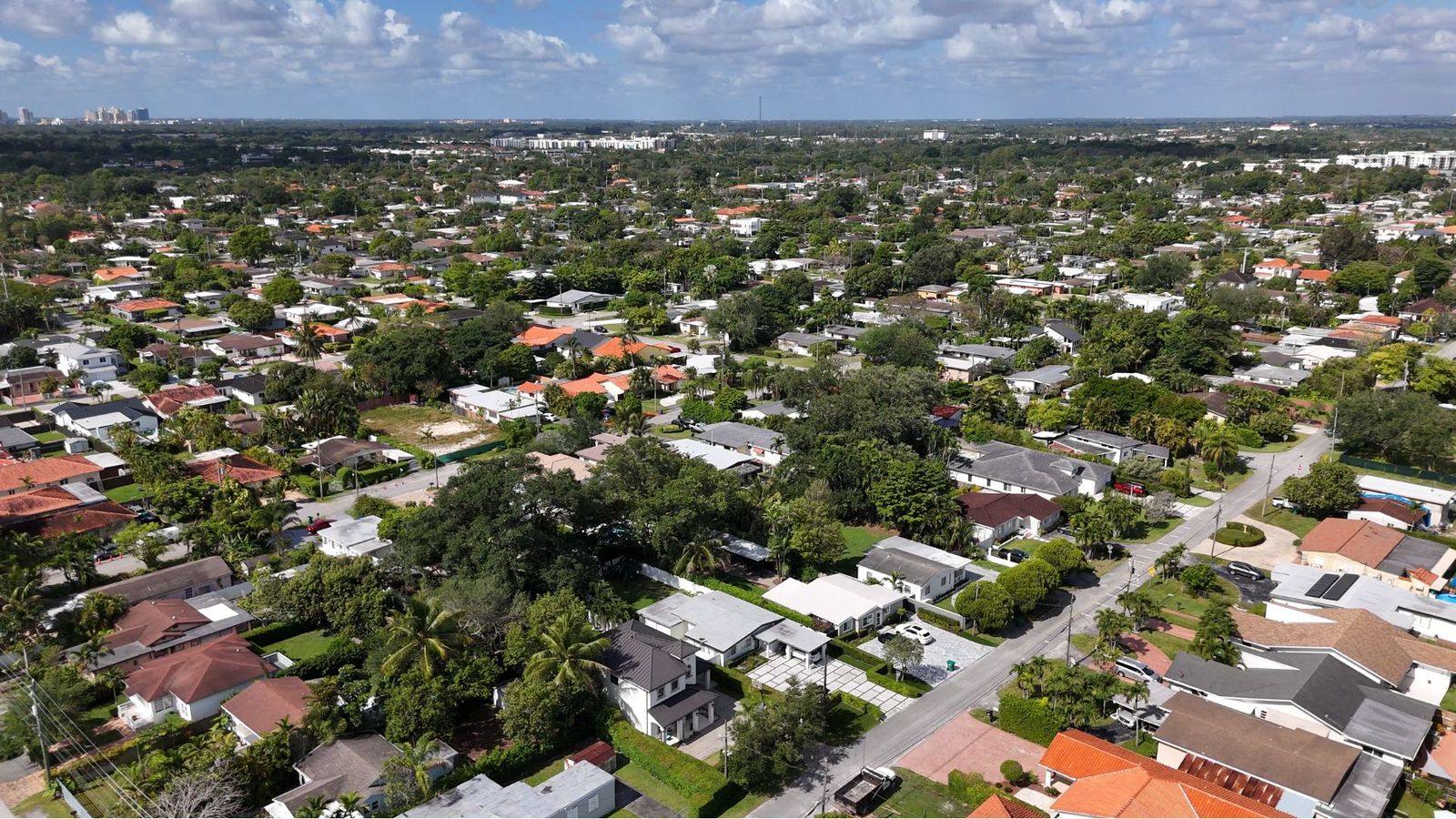
A reverse mortgage, most often a Home Equity Conversion Mortgage or HECM, lets a homeowner 62 or older borrow against their equity without making monthly mortgage payments. The loan comes due when the borrower sells, moves out permanently or passes away. That last part is where most of the confusion, and most of the calls I get, start.
The pattern is familiar here: a parent bought the house decades ago, took out a reverse mortgage in retirement, and now the adult children are trying to figure out what happens to the home. Here is the part that surprises most people: the reverse mortgage is a line item, not a roadblock.
How the payoff works at closing
When you list a home with a reverse mortgage, nothing changes about the marketing or the offers. The difference shows up at closing:
- The title company orders a payoff statement from the loan servicer, just as it would for a traditional mortgage.
- The payoff is subtracted from the sale proceeds, along with the seller’s other costs: in Miami-Dade, documentary stamp tax on the deed of $0.60 per $100 of the price for a single-family home, title charges and commission.
- Whatever is left goes to you or to the estate.
An illustration: a Schenley Park home sells for $900,000 and the reverse mortgage balance, including accrued interest and fees, is $310,000. The servicer is paid $310,000 at closing, the deed stamps are about $5,400, and the rest, after commission and title costs, goes to the seller or the heirs. It works exactly like paying off a regular mortgage, only with a larger balance, because no payments were made along the way. My seller net proceeds guide walks through every line of that statement.
If you are an heir, this is what matters
Most of the reverse mortgage questions I hear don’t come from the borrower. They come from children who just learned that a parent’s home has a HECM on it, sometimes after the parent has passed away or moved into assisted living.
- There is a timeline. Heirs generally have 30 days after the servicer’s notice to tell it what they plan to do, and up to six months from the date the loan becomes due to sell or pay it off. The servicer can approve up to two 90-day extensions, up to a year in total, when the home is actively listed or under contract. Confirm the exact terms with the servicer or a HUD-approved housing counselor, because requirements vary by loan.
- You will never owe more than the home is worth. HECMs are FHA-insured and non-recourse. If the balance is higher than the home’s value, the heirs can satisfy the loan by selling for, or paying, the lesser of the balance or 95 percent of the current appraised value, and FHA insurance covers the difference. Nobody has to write a personal check for the gap.
- Talk to the servicer early. Most reverse mortgage horror stories trace back to missed letters and confusion, not to an unsolvable money problem. Open a file with the servicer, get the payoff statement in writing and bring in an agent or attorney early.
- Probate may come first. If the home is in the parent’s name alone, someone needs legal authority to sell it. My guide to selling an inherited home in Miami covers probate, taxes and disclosure.
Who buys, and why the fastest offer isn’t always the best
Sellers here usually see three kinds of buyers: families financing a purchase, renovation investors and builders buying for the land. When you are managing a payoff on a deadline, investors and builders can be a good fit because they often close in cash, without financing contingencies or a lender’s appraisal holding up the timeline.
That said, don’t assume the fastest offer is the best one for the estate. The home may be worth more than a quick cash offer assumes, especially if builders are actively looking at your block. Before you sign, get a current read on what the home is worth as a move-in-ready sale, as a renovation and as a lot. Read how to vet a cash or investor offer before you answer one, and see my page for builders and investors in Schenley Park.
If you are the borrower and planning to downsize
You can sell anytime; there is no prepayment penalty on a HECM. If you are moving to a smaller Florida home, remember that your homestead and its Save Our Homes savings can travel with you through portability; see how the homestead exemption works in Miami-Dade. My downsizing page and the 12-month downsizing plan show how to line up the sale and the move.
Frequently asked questions
Does the reverse mortgage have to be paid off before I list the house?
No. You can list right away. The payoff happens at closing and is deducted from the sale proceeds by the title company, exactly like a traditional mortgage payoff.
How long do heirs have to sell a home with a reverse mortgage?
Generally up to six months from the date the loan becomes due, with up to two 90-day extensions if the home is actively listed or under contract. Heirs should also respond to the servicer’s first notice, usually within 30 days. Confirm the terms with the servicer or a HUD-approved counselor.
What if the reverse mortgage balance is more than the house is worth?
HECMs are FHA-insured and non-recourse. Heirs can satisfy the loan for the lesser of the balance or 95 percent of the current appraised value, and FHA insurance covers the rest. They never pay more than that from their own pocket.
Can I sell to a builder or investor if there is a reverse mortgage on the house?
Yes, and it often works well because cash buyers close faster. Compare that offer with the home’s full value as a move-in-ready home, a renovation and a lot before you accept.
Do I need an attorney to sell a home with a reverse mortgage?
Not always, but it is wise to consult a real estate or probate attorney, especially with several heirs, an unclear title or questions about the payoff amount.
A reverse mortgage is something to manage at closing, not a reason to delay a decision that already has a clock on it. If you are navigating this in Schenley Park or Coral Terrace, let’s get the real numbers on the table before you talk to the servicer.
- Home valuation: Request your home value
- Call or WhatsApp: 305-301-3290
- Bere@BereHomes.com
This article is general information, not legal, tax or financial advice. Every loan and every estate is different; confirm timelines with your servicer or a HUD-approved housing counselor and talk to an attorney about probate and title.
Prefer I reach out?
Leave your details and I’ll get back to you the same business day.
Rather pick a time? Book a 15-minute call

Berenice Elguezabal
REALTOR® · Coldwell Banker Realty · Since 2001 · FL Lic. SL0695500
★ Int’l President’s Circle 2025 · Top 4% Nationwide
$150M+ career sales · 250+ closed · 7 sold in Schenley Park