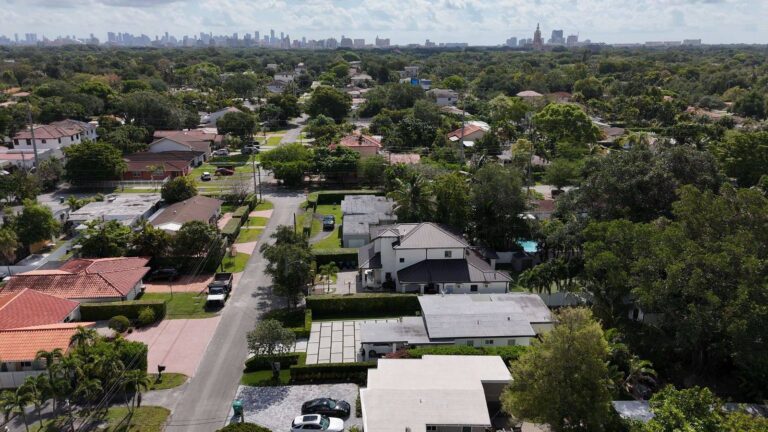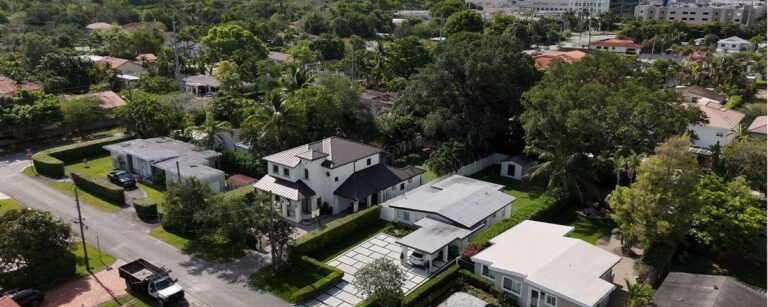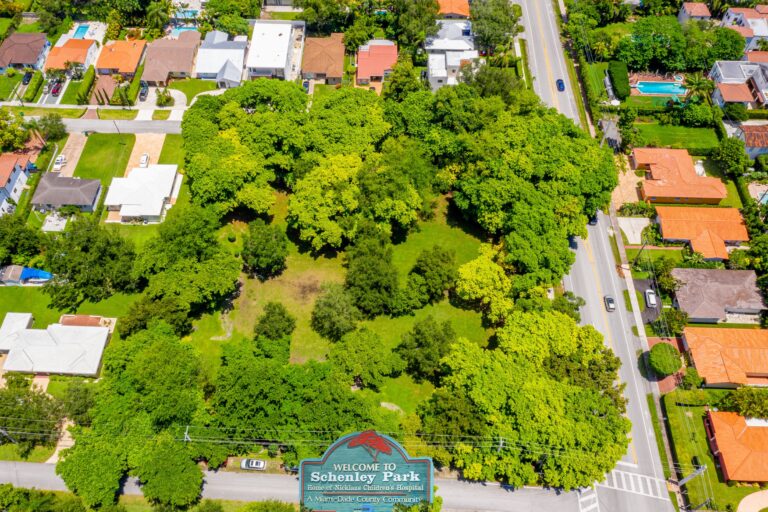
Miami-Dade Homestead Exemption: How to File by March 1 (Schenley Park Guide)
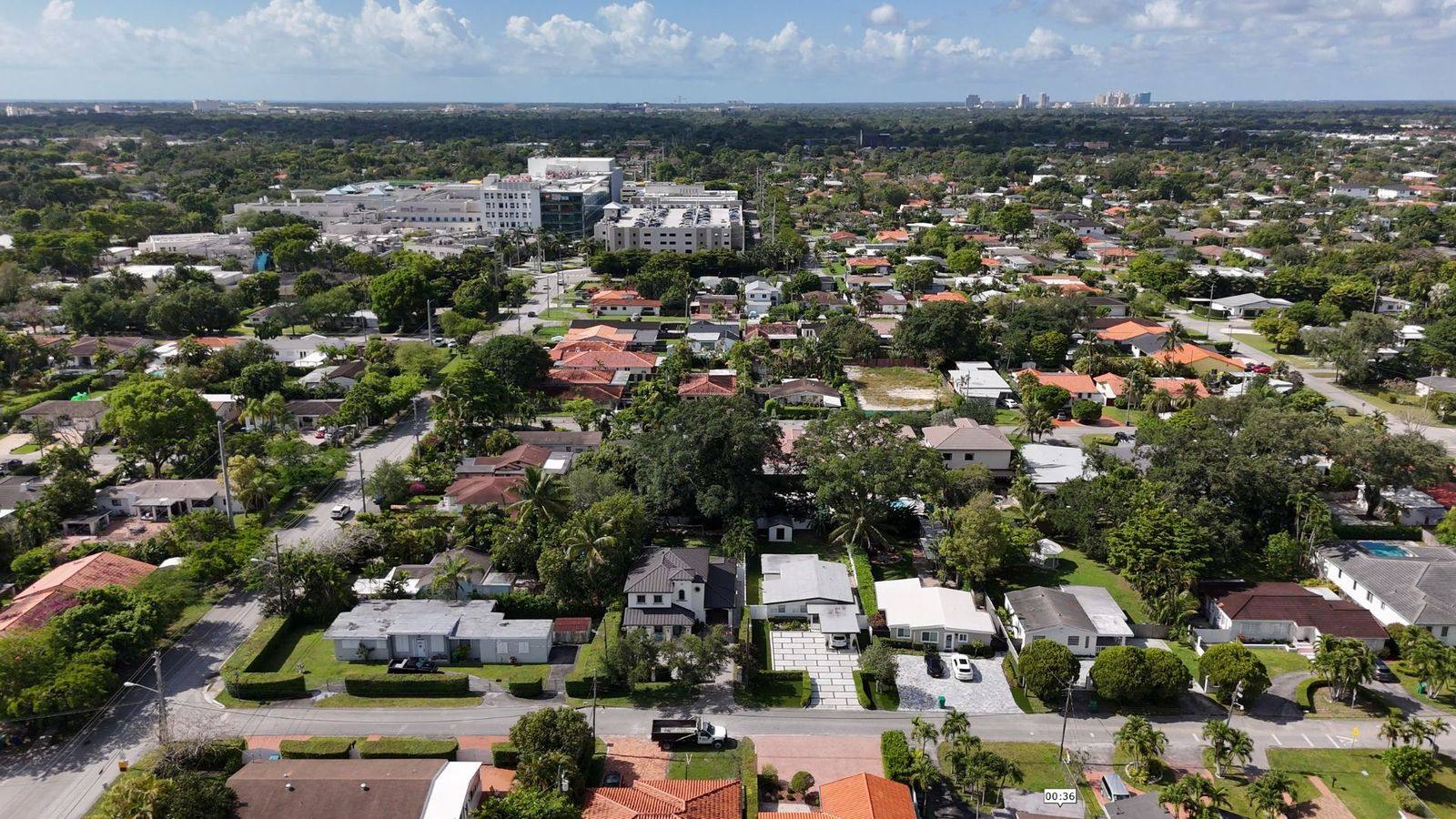
How do you get the homestead exemption in Miami-Dade? If you own and live in your home as your permanent residence on January 1, you file with the Miami-Dade Property Appraiser by March 1 of that year, online and at no cost. The exemption lowers your home’s taxable value by up to about $51,400 for 2026, and, more importantly, it turns on the Save Our Homes cap, which limits how fast your assessed value can rise. For homeowners in Schenley Park and Coral Terrace, Miami FL 33155, that cap is often worth more every year than the exemption itself, and it does not transfer to the next owner when the home sells.
Every year some Florida homeowners pay more property tax than they have to, and it’s not because the law is confusing. It’s because they missed one date. If you own a home in Schenley Park or Coral Terrace, that date is March 1, and what you do about it can follow your tax bill for as long as you live in the house.
What the homestead exemption is
The homestead exemption reduces the taxable value of your primary residence. It is a reduction in value, not a credit on your bill, so what you save depends on the tax rates where you live. It comes in two layers:
The first $25,000
Applies to all of your property taxes, including school taxes.
The second layer
Applies to assessed value between $50,000 and $75,000, not to school taxes. Since 2025 it is adjusted for inflation, which brings the 2026 total to about $51,400.
Who qualifies and how to file
To qualify, the home must be your permanent primary residence, and you must own it and live in it as of January 1 of the tax year.
- File with the Miami-Dade Property Appraiser by March 1. You can do it online, and there is no fee.
- Have your documents ready: your deed or closing information, a Florida driver’s license or ID with the property address, and your vehicle registration and voter information if you have them, updated to the new address.
- If you closed after January 1 of this year, you are not too late. Your first filing window is the one that closes on March 1 of next year.
- Miss the deadline and, in general, you wait another year. There are limited late-filing provisions, but don’t count on them.
The bigger benefit: the Save Our Homes cap
The exemption is the small part of the story. The bigger benefit is what it unlocks: the Save Our Homes cap. Once you are homesteaded, your home’s assessed value can rise each year by only 3 percent or the rate of inflation, whichever is lower. The market can move much faster than that.
In our area many owners have been in their homes for a long time, so the assessed value on a lot of these homes sits well below what they would sell for today. That gap is real money you keep every single year, as long as you keep the homestead.
If you are buying: the seller’s tax bill is not yours
This is the part that surprises both buyers and sellers. The cap does not transfer to the next owner. When a homesteaded home sells, it is reassessed at market value as of the following January 1. So if you are buying, the property tax shown on a listing is the seller’s bill, not yours, and yours can be significantly higher.
Budget from your price, not the listing. Plan your monthly costs with the Miami-Dade Property Appraiser’s tax estimator and the price you are paying. I explain this trap, and others on the portals, in Beyond the Portals. Then file your own homestead as soon as you are eligible.
If you are selling and moving within Florida: portability
If you sell and buy another Florida home, you can transfer up to $500,000 of your accumulated Save Our Homes savings to the new homestead. It is not automatic: you apply together with the new homestead application, by March 1, and you must establish the new homestead within three years of leaving the old one. I cover the math in my guide to homestead portability for Miami-Dade sellers. If you are downsizing, my 12-month downsizing plan shows where portability fits in the timeline.
Amendment 3 passed: what changes in 2027
On November 3, 2026, Florida voters approved Amendment 3, the homestead property tax amendment, with about 62 percent of the vote, according to news reports. It needed 60 percent. The state certifies the official results later in November. Nothing changes on the 2026 bill you are paying now: the new exemption starts with the 2027 tax year.
- Taxable for non-school taxes, 2026≈ $348,600
- Taxable for non-school taxes, 2027$250,000
- Taxable for non-school taxes, 2028$150,000
- Taxable for school taxes, every year$375,000
School taxes do not change: only the first $25,000 of the exemption applies to them. How many dollars you save depends on the tax rates the county, the city and the other authorities set each year.
If you already own here
Your homestead renews automatically. If you were a Florida resident with a homestead on December 31, 2026, the higher exemption applies from 2027.
If you are moving from out of state
If you were not a Florida resident on December 31, 2026, you start with the current exemption and get the higher one in your fifth year. Budget your first years accordingly.
What it means if you sell: the Save Our Homes cap still resets when a home sells, but a buyer who already lives in Florida will get a much larger exemption starting in 2027. That softens the jump in their first tax bill, and it is worth showing in your listing’s numbers.
The amendment also limits what counties and cities can spend property tax revenue on, such as public safety, schools, infrastructure and flood control, and state estimates put the revenue loss to local governments in the billions of dollars a year. Watch how Miami-Dade’s budget and tax rates respond in 2027. Background on the measure is in Florida Homestead Exemption 2026: what the amendment does.
The Miami-Dade property tax calendar
- January 1: ownership and residence are fixed for the tax year.
- March 1: deadline to file for homestead exemption and portability.
- Mid-to-late August: TRIM notices are mailed with your proposed assessed value and taxes.
- 25 days after the TRIM notice is mailed: deadline to petition the Value Adjustment Board if you disagree with your assessment. The exact date is printed on the notice.
- November 1: tax bills go out. Paying in November earns a 4 percent discount; it drops to 3 percent in December, 2 in January and 1 in February.
- March 31: last day to pay at face value. Unpaid taxes are delinquent on April 1.
If you sell partway through the year, the taxes are prorated between buyer and seller at closing; see my seller net proceeds guide and how the November tax bill and the 4% discount work.
Frequently asked questions
When is the deadline to file for homestead exemption in Miami-Dade?
March 1 of the tax year. You must own the home and live in it as your permanent residence on January 1 of that year. You file with the Miami-Dade Property Appraiser, online and at no cost.
How much does the Florida homestead exemption save?
It reduces your home’s taxable value by up to about $51,400 for 2026: $25,000 against all taxes and a second, inflation-adjusted layer against non-school taxes. The dollar savings depend on your local tax rates. The bigger long-term benefit is the Save Our Homes cap.
Does the Save Our Homes cap transfer to the buyer?
No. When a homesteaded home sells, it is reassessed at market value the following January 1, so a buyer’s taxes can be much higher than the seller’s. Budget with the Property Appraiser’s tax estimator and your purchase price.
I bought my home after January 1. When can I file?
Your first filing window is the one that closes on March 1 of the following year. File as soon as you are eligible so the Save Our Homes cap starts protecting you.
What is homestead portability?
It lets you transfer up to $500,000 of your accumulated Save Our Homes savings to a new Florida homestead. You apply with the new homestead application by March 1, and the new homestead must be established within three years of leaving the old one.
Did the Florida homestead amendment pass in November 2026?
Yes. Amendment 3 was approved on November 3, 2026, with about 62 percent of the vote, according to news reports. Starting with the 2027 tax year, the homestead exemption for non-school taxes rises to $150,000, and to $250,000 in 2028. People who were not Florida residents on December 31, 2026 start with the current exemption and get the higher one in their fifth year.
File by March 1. The exemption is the entry ticket, and the Save Our Homes cap is the long-term benefit. If you are buying, don’t trust the seller’s tax bill. If you are selling, know what your cap is worth and what the next owner’s bill will look like. And plan for the bigger exemption that starts in 2027.
Want to know what your home is worth?
I’ll estimate your home’s value and walk you through what the new exemption means for you or your buyer, with no obligation.
This is general information, not tax or legal advice. Confirm your situation and the current exemption amounts with the Miami-Dade Property Appraiser or a tax professional.
Prefer I reach out?
Leave your details and I’ll get back to you the same business day.
Rather pick a time? Book a 15-minute call

Berenice Elguezabal
REALTOR® · Coldwell Banker Realty · Since 2001 · FL Lic. SL0695500
★ Int’l President’s Circle 2025 · Top 4% Nationwide
$150M+ career sales · 250+ closed · 7 sold in Schenley Park