Pre-Listing Inspection in Schenley Park: Worth the Cost?
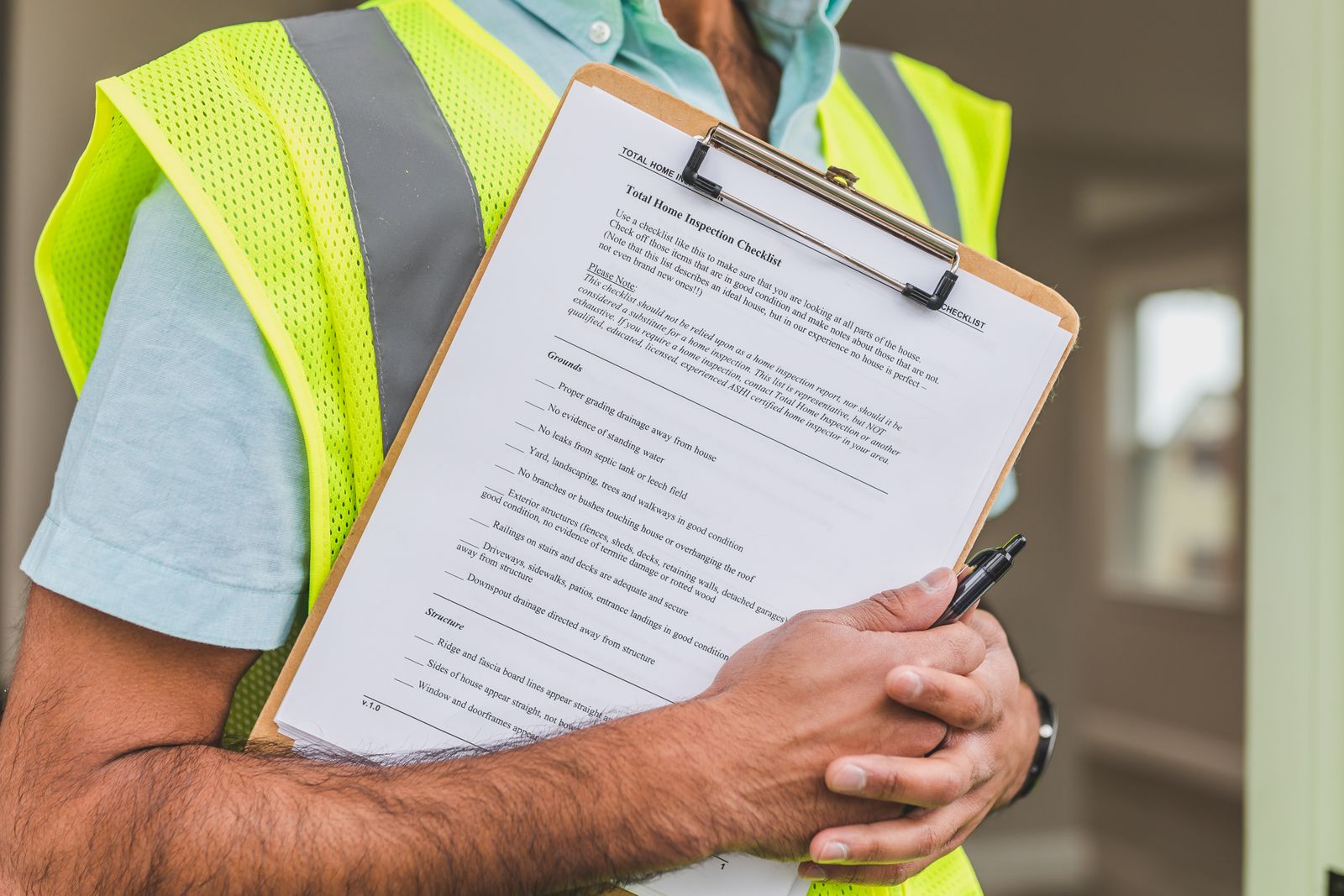
Should you get a pre-listing inspection before you sell your Schenley Park home? For a move-in-ready sale to a buyer with a loan, usually yes, or at least a targeted one. For a sale where a builder is paying for the lot, usually no. In Schenley Park and Coral Terrace, Miami FL 33155, the right call depends on the age of the house and who your most likely buyer is. An inspection costs a few hundred dollars; finding a problem in week two of escrow can cost you the deal or thousands off the price.
I’m asked about this before almost every listing. Sellers worry that an inspection will only hand them a to-do list and a disclosure problem. That’s a fair concern. But in this part of Miami-Dade, where most homes were built between the 1940s and the 1980s, the buyer’s inspector is going to find the same things you would find. The only question is whether you hear it first.

What a pre-listing inspection buys you, and the catch
A pre-listing inspection usually costs a few hundred dollars. Redfin puts the typical range at $300 to $500 nationally, and older or larger homes and add-ons such as a sewer scope or a termite check cost more, so get local quotes. Here is what you get for it:
- No surprises mid-escrow. A problem found after you are under contract gives the buyer leverage when you have the least room to negotiate.
- Control over repairs. You compare contractors without a closing deadline and decide what to fix, credit or leave.
- A price that matches the condition. A report backs up your number when the buyer’s agent or appraiser pushes back.
- Fewer insurance surprises. If the buyer can’t get a policy, a financed buyer can’t close. You find out early.
The catch is disclosure. Florida sellers must disclose known facts that materially affect a home’s value and aren’t readily observable by the buyer, a rule that comes from the Florida Supreme Court’s 1985 decision in Johnson v. Davis. Once you order a report, you know. Selling “as is” doesn’t erase that duty, as I explain in Florida’s As-Is contract and seller disclosure. Decide what you will do with the findings before you order a pre-listing inspection, and ask a real estate attorney about any specific finding.
Decide by the buyer you expect
This market doesn’t have one kind of buyer, so there isn’t one answer.
Retail buyer with a loan
Yes, inspect. These buyers send inspectors, lenders order appraisals and insurers review the roof, electrical and plumbing. Your report is a preview of what they will find. Pair it with my guide on what not to fix before selling.
Investor or flipper
Usually a limited check. They discount for condition and bring their own contractors. Know your numbers on the roof, panel, plumbing and permits so you negotiate from facts.
Selling to a builder for the lot? Skip the full pre-listing inspection. A builder pricing a lot looks at land value, survey, zoning, septic and permit history, not at the house. Spend the money on a clean survey and a permit search. My post on selling as a teardown explains that math, and the builders and investors page shows what these buyers look for.
What to check first in an older 33155 home
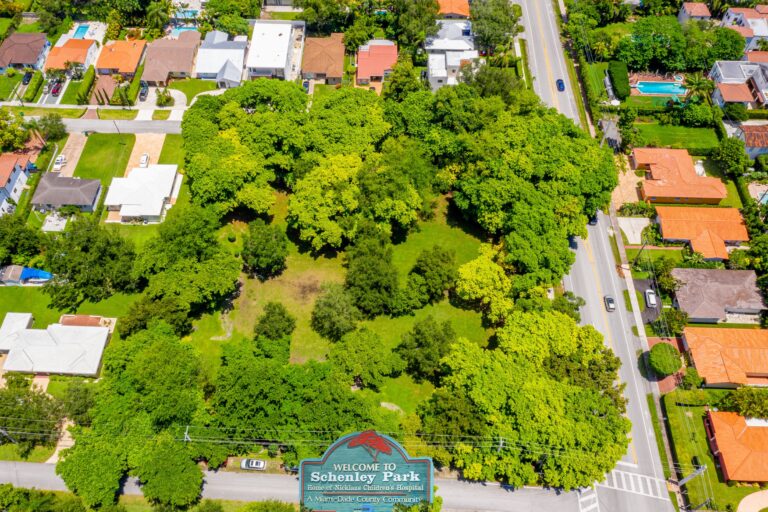
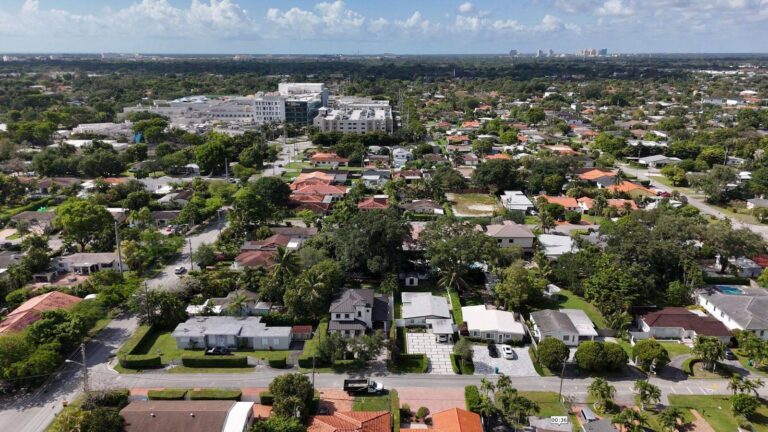
Coral Terrace homes were built mostly between 1940 and 1969, and the Schenley Park pocket mostly between 1974 and 1986. That age range points to the items buyers, lenders and insurers will look at first:
- Roof age and condition. Citizens asks for a roof inspection on shingle roofs over 25 years old and tile or metal roofs over 50, and the roof must show at least five years of remaining life. See selling with an older roof.
- 4-point items. Citizens requires a 4-point inspection (roof, electrical, plumbing and HVAC) on homes more than 20 years old, which is almost every home here.
- Electrical panel and wiring. Some older panel brands and aluminum branch wiring cause insurance problems.
- Plumbing. Cast iron drains in the oldest homes and polybutylene supply lines in later ones draw attention from insurers and buyers.
- Wind mitigation. A wind mitigation report can lower the buyer’s premium. My wind mitigation guide explains when it pays off.
- Septic, permits and termites. Many homes here are on septic. Pull your permit history, because open permits show up in the title search anyway, and expect the buyer’s lender to ask for a termite report.
What to do with the report
Fix first
Anything that blocks insurance or financing: a roof near the end of its life, a problem panel, an open permit. Get two written quotes on anything big.
Price or credit the rest
Minor findings are normal in an older home. Disclose them, price accordingly or offer a credit. My post on pricing mistakes shows how an overpriced home gets punished for condition.
Keep it organized. Share the pre-listing inspection findings and the repair receipts with serious buyers. Buyers move faster on a home that comes with documentation.
Frequently asked questions
Is a pre-listing inspection required in Florida?
No. Florida doesn’t require a seller to order one. A buyer’s lender may require specific reports, such as a wood-destroying organism (termite) report, and insurers usually ask for a 4-point inspection on homes more than 20 years old.
How much does a pre-listing inspection cost?
Usually a few hundred dollars. Redfin puts the typical range at $300 to $500 nationally, and older or larger homes and add-ons such as a sewer scope cost more. Get local quotes before you book.
If I get an inspection, do I have to disclose what it finds?
Florida sellers must disclose known facts that materially affect value and aren’t readily observable by the buyer. A report you ordered means you know about the findings, so plan to disclose the significant ones. Ask a Florida real estate attorney how to handle a specific issue.
What is the biggest red flag in a home inspection?
In older Miami-Dade homes, the findings that cost sellers the most are the ones that block insurance: a roof near the end of its life, certain electrical panels or aluminum wiring, and polybutylene plumbing. They can shrink the pool of buyers who can close with a loan.
Should I skip the inspection if I’m selling to a builder?
Usually. Builders buying a lot in 33155 price land value, survey, zoning, septic and permit history. A full house inspection rarely changes their offer, so your money is better spent on a survey and a permit check.
Know what the buyer will find before they do. The right plan for a 1955 Coral Terrace ranch isn’t the plan for a 1980s Schenley Park home, and neither is the plan for a lot a builder wants.
Not sure which buyer your home will attract?
That’s the first thing I work out in a valuation, and the answer shapes both the price and the prep list.
This article is general information, not legal advice. Disclosure and contract questions should go to a Florida real estate attorney.
Prefer I reach out?
Leave your details and I’ll get back to you the same business day.
Rather pick a time? Book a 15-minute call

Berenice Elguezabal
REALTOR® · Coldwell Banker Realty · Since 2001 · FL Lic. SL0695500
★ Int’l President’s Circle 2025 · Top 4% Nationwide
$150M+ career sales · 250+ closed · 8 sold in Schenley Park