
Code Violations and Liens Before You Sell in Miami-Dade
Can an unpaid code violation or lien stop me from selling my Miami-Dade home? Yes. An open code violation or a recorded code enforcement lien can keep you from delivering clear title, and a 2025 Florida appeals decision let buyers walk away with their deposit for exactly that reason. In the Schenley Park area, also called Coral Terrace, in unincorporated Miami-Dade, ZIP 33155, the county also requires you to disclose illegal construction and outstanding violations when the buyer signs the contract. Checking your record before you list is the cheapest way to avoid a failed closing.
Most sellers I work with know about their roof, their septic system and maybe a permit or two. Very few know what is sitting in the county’s violation records, because nobody sends a reminder. A fine for an old fence, an expired permit from a past project or a notice mailed to a previous owner can all show up months later, in the middle of your closing.
Here is what Miami-Dade requires you to disclose, how to find out what is on your record, and why a lien is a title problem, not just paperwork.
What Miami-Dade requires you to disclose
For residential property in unincorporated Miami-Dade, which includes Schenley Park and Coral Terrace, the county’s Code Compliance department says sellers must disclose illegal construction and outstanding building or zoning code violations when the buyer enters a purchase contract. The rule is in Section 8-18 of the Miami-Dade County Code. The disclosure goes in the contract or in an addendum signed the same day.
The county lists other disclosures for the same sale: septic systems under Section 21-49.1 and flood hazard areas under Chapter 11C. That is why a Miami-Dade listing packet is longer than a generic Florida one.
How to find out what is on your property
You do not have to guess. The county’s Code Compliance page lists paid searches and free tools:
- Lien records search: $250 per folio or address, for unincorporated property. It gives you a letter listing the violations and liens on record.
- Open permits search: $43.75 per address or folio.
- Free self-service tools: searches for recorded liens and notices of violation, citations by folio or address, work without a permit and expired permits, zoning and overgrowth violations, and your permit and inspection history.
Fees can change, so confirm them on the county’s page before you pay. If your main concern is permits, my guide to open permits and unpermitted work covers that side in detail. This post is about what happens once a violation becomes a recorded problem.
Why a lien is a title problem
When you sell, you have to deliver marketable title at closing. A recorded code enforcement lien can stand in the way, and a 2025 appeals decision shows how expensive that can be.
In College Health II GP, Inc. v. Zahid, decided by Florida’s Third District Court of Appeal on October 29, 2025, the property had code enforcement liens from the City of Miami. The contract required the seller to deliver lien releases or a city-approved compliance agreement before closing. The signed agreement arrived only after the closing date. The court found the title unmarketable, excused the buyers from closing and let them recover their deposit.
That case involved a city and a commercial property, but the lesson applies to any seller: a lien you plan to “deal with at closing” can end the deal if the paperwork is not ready by the closing date. If a deal does fall apart, my post on who keeps the deposit explains what happens next.
What this looks like in Schenley Park and Coral Terrace
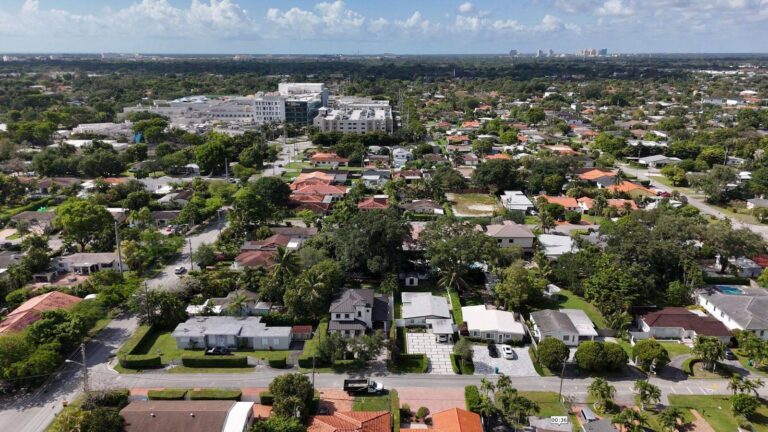
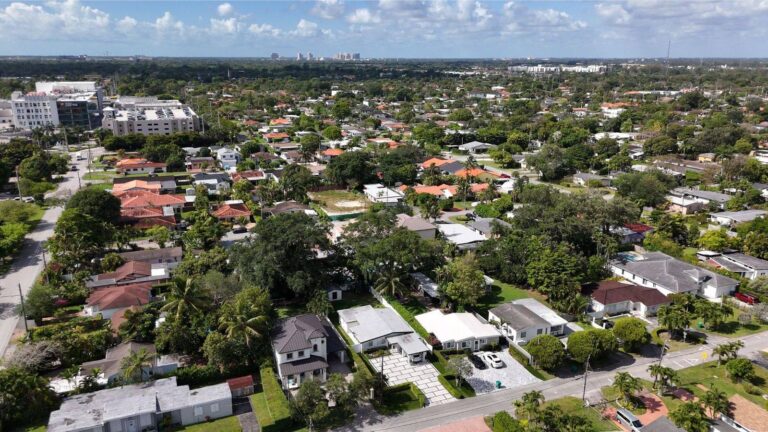
Most homes here were built between the 1940s and the 1980s, and many owners, often previous ones, added rooms, carports, sheds, fences and driveways over the decades. Those are the improvements that most often become open permits or work-without-permit violations.
Builders and investors usually run their own searches before they commit, so a builder offer on your lot can stall over a violation you never heard about. My post on selling a Schenley Park home as a teardown explains how builders look at a property.
Because the area is unincorporated, the county, not a city, handles most of this, which makes the county letter especially useful. Nearby cities such as West Miami and Coral Gables keep their own records, so if your address is inside a city, ask that city instead.
A simple plan before you list
- Look up your folio in the county’s free tools.
- Decide whether the $250 letter is worth it. For an older home with additions, it is usually inexpensive insurance.
- Resolve what you can: close or finalize old permits, pay or negotiate fines and get written releases.
- Disclose clearly at contract, and talk to your attorney about anything you cannot resolve before closing.
- Build in time. Releases and compliance agreements move at government speed, so ask about a closing-date extension clause early.
Frequently asked questions
Do I have to disclose code violations when selling in unincorporated Miami-Dade?
Yes. Section 8-18 of the Miami-Dade County Code requires sellers of residential property to disclose illegal construction and outstanding building or zoning code violations when the buyer enters the contract, in the contract or a same-day addendum.
How much does a Miami-Dade lien search cost?
According to the county’s Code Compliance page, a lien records search for unincorporated property costs $250 per folio or address, and an open permits search costs $43.75. Confirm current fees before ordering.
What happens if there is a lien on my house at closing?
A recorded lien can keep you from delivering marketable title. In a 2025 Third District Court of Appeal case, the buyers were excused from closing and recovered their deposit because the seller did not have lien releases or a signed compliance agreement by the closing date.
Can I find violations on my property for free?
Yes. Miami-Dade offers free online searches for recorded liens, notices of violation, citations, permit history and several types of code violations.
Is Schenley Park the same as Coral Terrace?
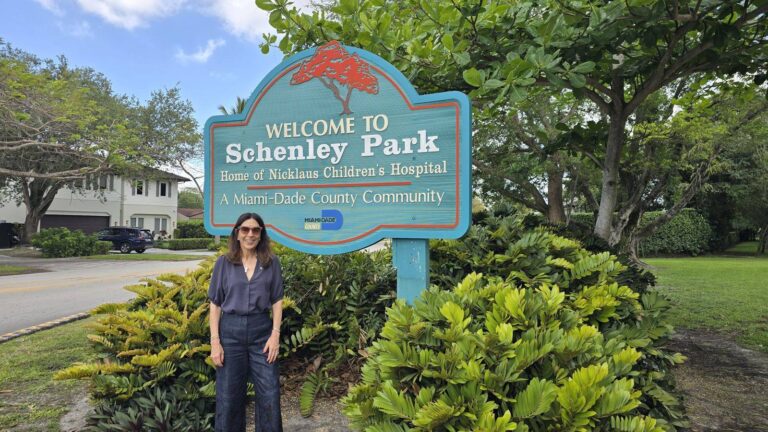
Schenley Park is a neighborhood inside the larger Coral Terrace area, in ZIP 33155 in unincorporated Miami-Dade County, where the county’s code compliance rules apply.
Let's talk about your home
- Home valuation: Request your home value
- Call or WhatsApp: 305-301-3290
- Bere@BereHomes.com
This article is general information, not legal advice. Lien, title and disclosure questions should go to a Florida real estate attorney.
Prefer I reach out?
Leave your details and I’ll get back to you the same business day.
Rather pick a time? Book a 15-minute call

Berenice Elguezabal
REALTOR® · Coldwell Banker Realty · Since 2001 · FL Lic. SL0695500
★ Int’l President’s Circle 2025 · Top 4% Nationwide
$150M+ career sales · 250+ closed · 8 sold in Schenley Park