Selling a Storm-Damaged Home in Miami-Dade With an Open Insurance Claim
Can you sell a storm-damaged home in Miami-Dade with the damage unrepaired and the insurance claim still open? Yes. A Florida seller can do it, but you have to disclose both, decide what happens to the claim money and keep the claim deadlines moving. In the Schenley Park and Coral Terrace area of Miami, FL 33155, the buyers most likely to take that on are investors and builders; a financed buyer will usually need the damage repaired or priced in. The mistake that costs sellers the most is signing a quick as-is contract before they know what the claim is worth.
By Berenice Elguezabal | October 14, 2026
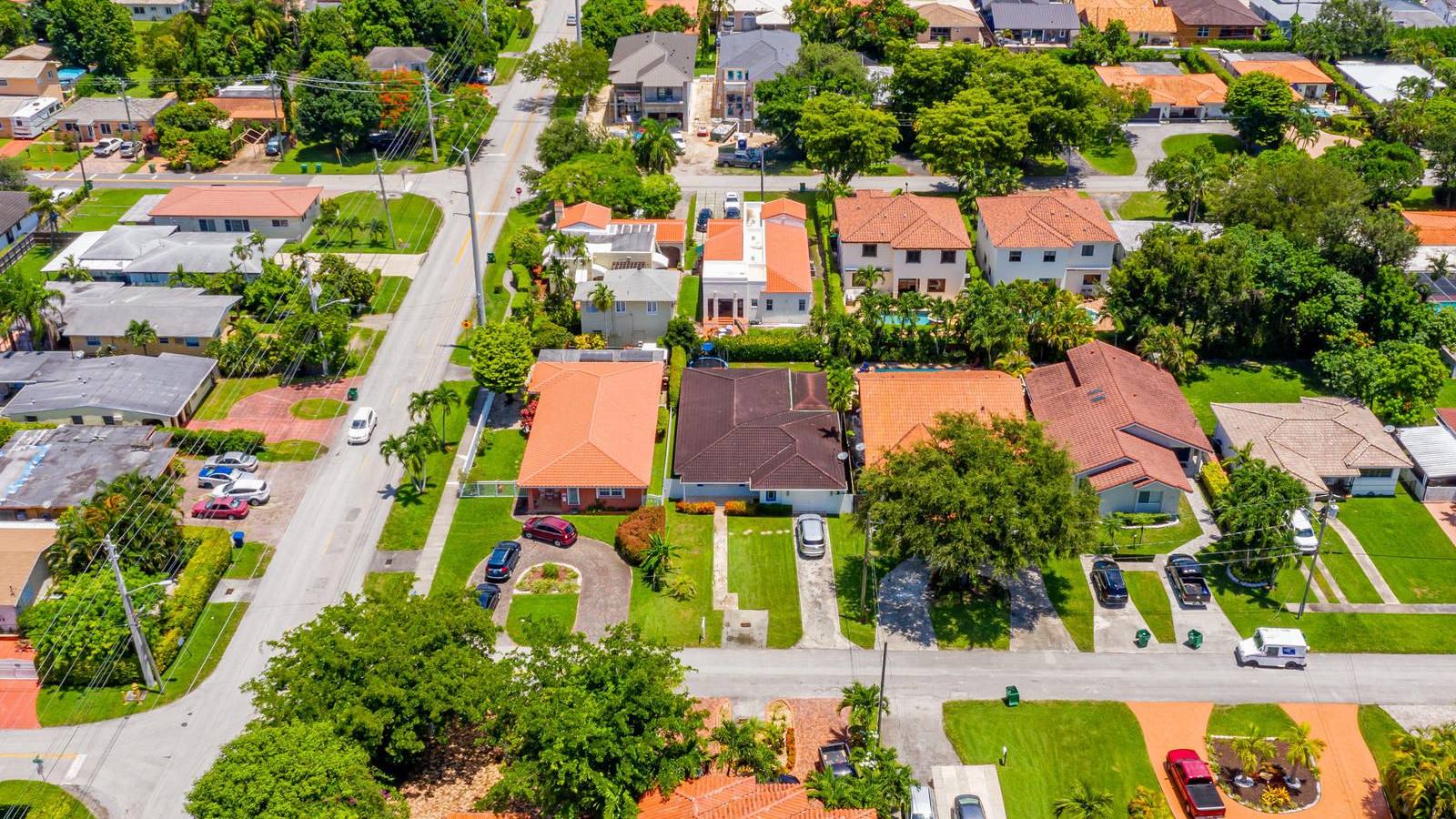
Hurricane season runs through November 30, and a roof, fence, screen enclosure or tree can be damaged by a storm that never makes the national news. If that is your house and you have been thinking about selling instead of rebuilding your life around a repair project, you are not alone. It is one of the situations where owners feel the most pressure to decide fast, which is exactly when decisions get expensive.
Here is what I tell every Schenley Park or Coral Terrace owner who asks: don’t sign anything until you know three numbers: what the claim is worth, what the repairs actually cost and what the house sells for as-is. Then the sale decision gets a lot simpler.
Disclose the damage and the claim, in writing
Florida sellers have to disclose known defects that materially affect the value of the property and that a buyer cannot readily see. Unrepaired storm damage is the obvious one, and an open insurance claim belongs in the same conversation. Put both in writing before the buyer’s inspector finds them for you, and describe what you actually know rather than what you hope is true.
Why it matters beyond the disclosure rules: an open claim and visible damage can affect whether a buyer can get homeowners insurance at all. A buyer who learns it late in the inspection period has a reason to cancel or renegotiate. Learning it on day one is a pricing conversation.
This is where the Florida as-is contract and seller disclosure rules come in. An as-is label limits what a buyer can demand in repairs. It does not let you stay quiet about what you know. If the damage involved water from outside, remember that Florida’s separate flood disclosure also asks about flood claims and known flooding; I explain it in my Schenley Park flood zone and insurance guide.
Who keeps the claim money: you or the buyer
This is the question most sellers don’t know to ask.
- You keep the claim. You sell at a price that reflects the unrepaired damage, keep working the claim with your insurer and collect the proceeds yourself. This is cleaner for the buyer’s financing, but it means you stay in a claim process after you have left the property, and an insurer may question damage it can no longer inspect once the buyer starts repairs.
- The buyer takes over the benefit. Some older sales were structured so the buyer received the right to the claim proceeds through an assignment in the sale paperwork. Florida’s 2022 insurance reform (Senate Bill 2-A) generally bars assigning post-loss benefits under residential policies issued on or after January 1, 2023, so for most current policies this route is closed or very limited. Ask a Florida real estate attorney and your carrier before you build a deal around it.
Two more cautions. If you have a mortgage, your lender is usually a named payee on claim checks, so claim funds and your payoff have to be coordinated with the lender. And if the carrier disputes the cause of loss, it can be worth having a licensed engineer document the damage before any repairs start, because repairs erase the evidence.
The deadlines keep running while you sell
Selling the house does not pause your claim clock. Under Florida Statute 627.70132, as amended in 2022, policyholders generally have one year from the date of loss to report a new or reopened claim and 18 months to report a supplemental claim, down from the earlier two- and three-year windows. Your exact deadline depends on your policy and the date of loss, so confirm it with your insurer or an attorney, and don’t let a closing date lull you into missing one. If you are selling and haven’t filed yet, file first.
How to price it
You have two honest options, and both need paper behind them.
- Price as-is, with a line-item repair estimate. Get a contractor’s written estimate and show the buyer how the price reflects it. A buyer takes your number more seriously when the math is on the page.
- Repair first, then list. This makes sense when the damage is limited, the claim is paying for it and you can finish before the market notices. It is the right call more often than sellers think, and the wrong call when repairs would need permits and months you don’t have.
If repairs touch the structure or the roof, permits come with them, and open permits become their own closing issue; see open permits when selling in Miami. If the damage is to the roof, selling a home with an older roof covers how age and insurability interact, and what not to fix before selling helps you decide what is worth doing at all. Whatever you choose, compare it on your net proceeds, not on the headline price.
Who buys a storm-damaged home in 33155
The same three buyers show up here, and they treat damage very differently.
- The financed buyer has an appraiser and an insurer to satisfy. A lender may require repairs, and an insurer may decline or restrict coverage on a damaged roof. This buyer usually needs the work done or the price low enough to absorb it.
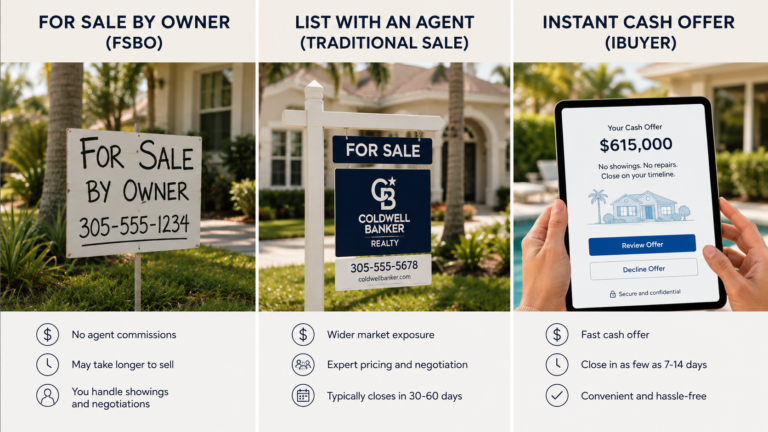
- The investor or flipper is buying a repair project and wants a price that leaves room for it. They move fast and pay cash, and they will try to buy at the bottom of your range.
- The builder is buying the lot. When the house was heading toward demolition anyway, storm damage matters far less than the survey, setbacks and permit path. That is a real option for older homes here; see selling as a teardown and my page for builders and investors in Schenley Park.
One warning in bold: after storms, quick cash offers show up in mailboxes and on doorsteps. Those contracts are binding, and some are written to transfer more of your equity than you realize. Read every page, don’t sign under time pressure and have an attorney review it first. A fast offer is only a good offer if the number holds up against the three numbers above.
Frequently asked questions
Do I have to repair storm damage before I sell my house in Florida?
No. Florida does not require a seller to repair damage before selling. You do have to disclose known defects that materially affect value and that the buyer cannot readily see, and a buyer’s lender or insurer may require repairs before closing.
What happens to my insurance claim if I sell the house?
In most cases you keep the claim and collect the proceeds yourself, and the price reflects the unrepaired damage. Florida generally bars assigning post-loss benefits under residential policies issued on or after January 1, 2023, so passing the claim to the buyer is limited. Have a Florida real estate attorney review the contract, and coordinate any payout with your mortgage lender.
How long do I have to file a homeowners claim in Florida?
Under Florida Statute 627.70132 as amended in 2022, policyholders generally have one year from the date of loss to report a new or reopened claim and 18 months for a supplemental claim. Confirm your specific deadline with your insurer or an attorney before you list.
Should I take a cash offer on a storm-damaged house?
Compare it with the as-is market price and with what repairs and the claim would net you. Cash offers are often legitimate, but they are binding contracts and some cost sellers significant equity. Have an attorney review before you sign.
Is Schenley Park part of Coral Terrace?
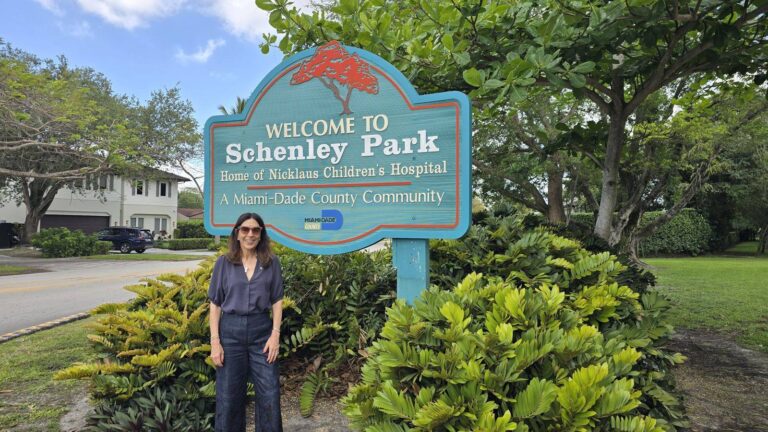
Yes. Schenley Park is a pocket within the larger Coral Terrace area of unincorporated Miami-Dade County, ZIP 33155. The age of the homes differs between the two, which affects roof, wiring and plumbing questions.
Storm damage is a sequence problem: document it, file the claim, price the house, then market it. Skipping a step is how sellers lose money. If you want to know what your house is worth to an investor, a builder and a financed buyer, let’s walk through the numbers together. For current prices, the monthly Schenley Park market report has the latest data.
- Home valuation: Request your home value
- Call or WhatsApp: 305-301-3290
- Bere@BereHomes.com
This article is general information, not legal or insurance advice. Claim, assignment and contract questions should go to a Florida real estate attorney and your insurance carrier or a coverage attorney, and tax questions to a CPA.
Prefer I reach out?
Leave your details and I’ll get back to you the same business day.
Rather pick a time? Book a 15-minute call

Berenice Elguezabal
REALTOR® · Coldwell Banker Realty · Since 2001 · FL Lic. SL0695500
★ Int’l President’s Circle 2025 · Top 4% Nationwide
$150M+ career sales · 250+ closed · 7 sold in Schenley Park